
Mesopotamia (Sumer)
The world's first civilisation arose in the fertile crescent between the Tigris and Euphrates — Sumerians invented writing, the wheel, urban planning, codified law under Hammurabi, and the concept of time divided into 60.

Human civilisation has produced empires of extraordinary sophistication, creativity, and endurance. These are the ancient civilizations that most shaped the trajectory of human history — their ideas, technologies, and cultures still living in our world today.

The world's first civilisation arose in the fertile crescent between the Tigris and Euphrates — Sumerians invented writing, the wheel, urban planning, codified law under Hammurabi, and the concept of time divided into 60.

The continuation of the Eastern Roman Empire for 1,000 years after Rome's fall — Byzantium preserved classical knowledge through the European dark ages, spread Orthodox Christianity, and produced extraordinary art and architecture.

The sophisticated Bronze Age civilisation of modern Pakistan and India had cities with advanced drainage, standardised weights, and urban planning at Mohenjo-daro and Harappa that rival any ancient culture in sophistication.

At its peak governing 70 million people across three continents, Rome built infrastructure still visible today, codified law, developed engineering, and spread Latin — the ancestor of all Romance languages.

The largest contiguous land empire in history — the Mongols under Genghis Khan unified disparate nomadic tribes and created a network of trade, communication, and cultural exchange across Eurasia that accelerated the global exchange of ideas.

The Maya developed an accurate calendar, sophisticated mathematics including the concept of zero, complex astronomical observations, monumental architecture, and one of the most advanced writing systems in the pre-Columbian Americas.

The Han Dynasty's 400-year reign produced paper, the seismograph, cast iron, the civil service examination, and the Silk Road trade network — establishing China as the world's most advanced civilisation of its era.

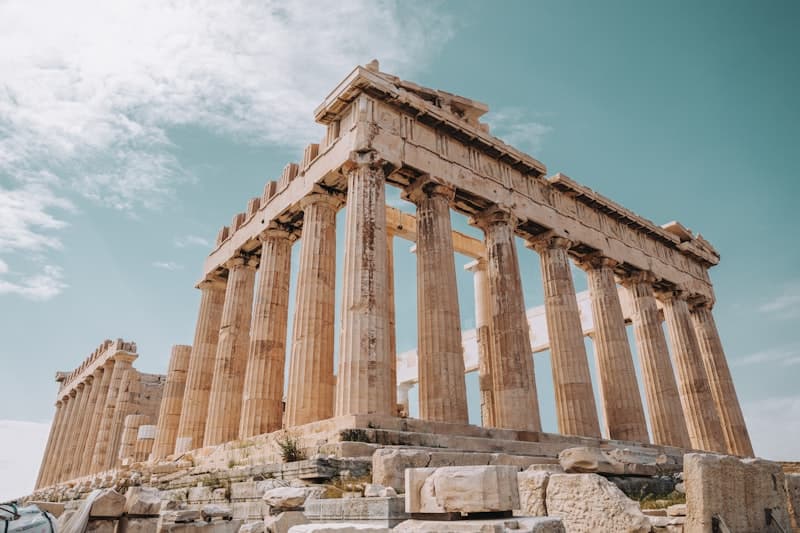
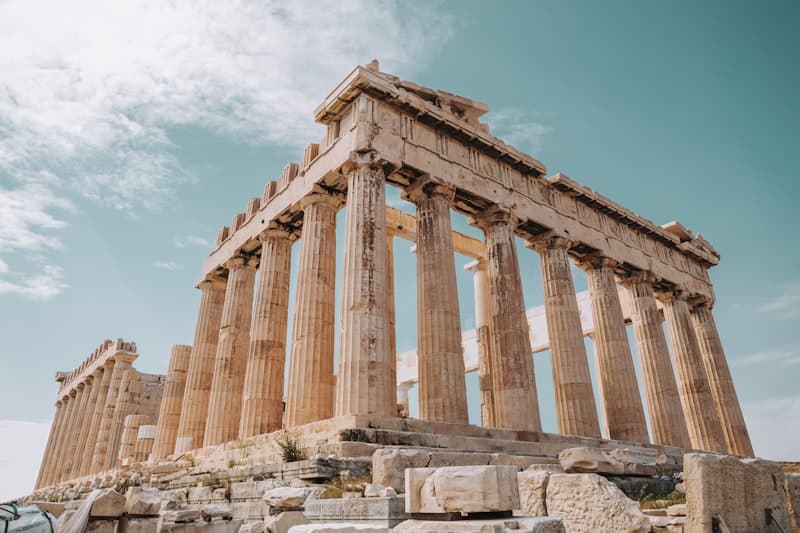
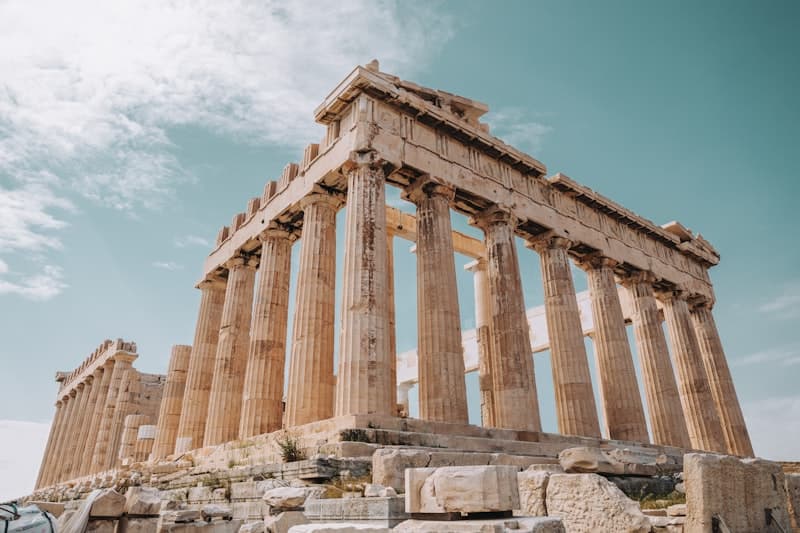
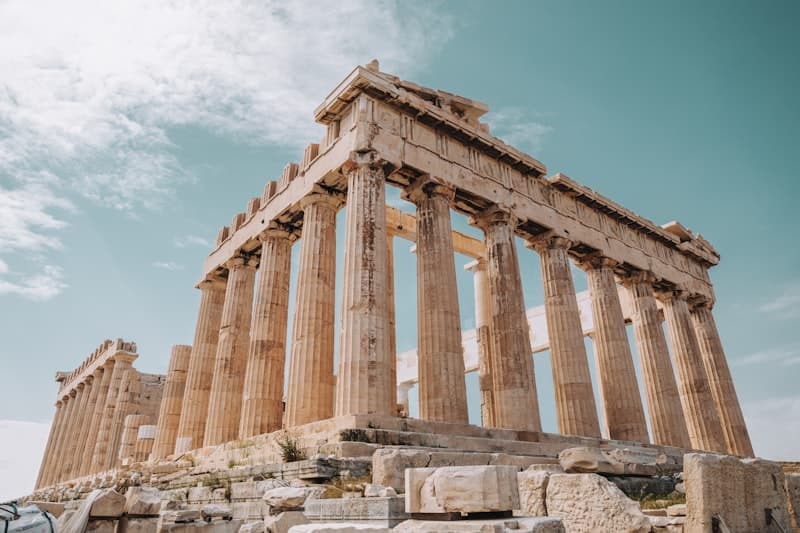
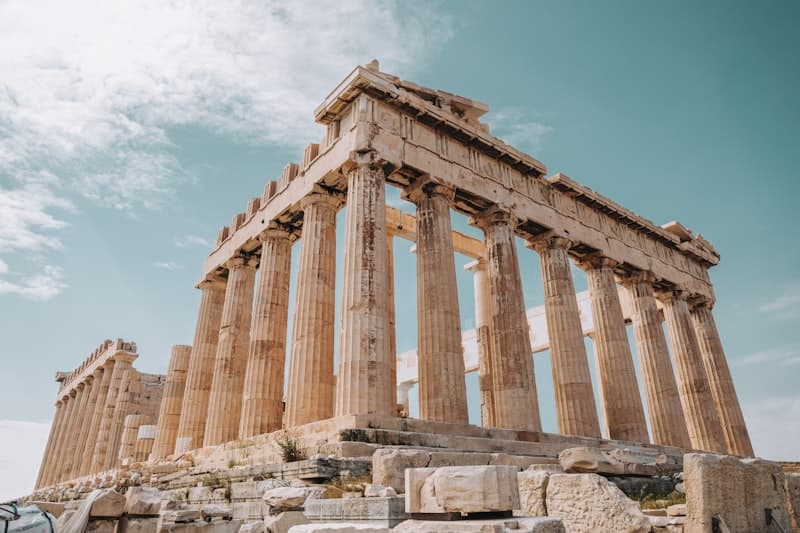
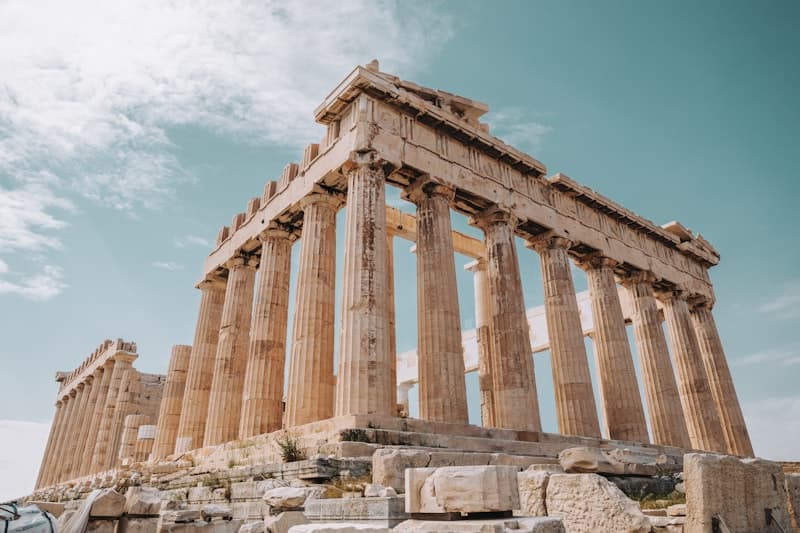
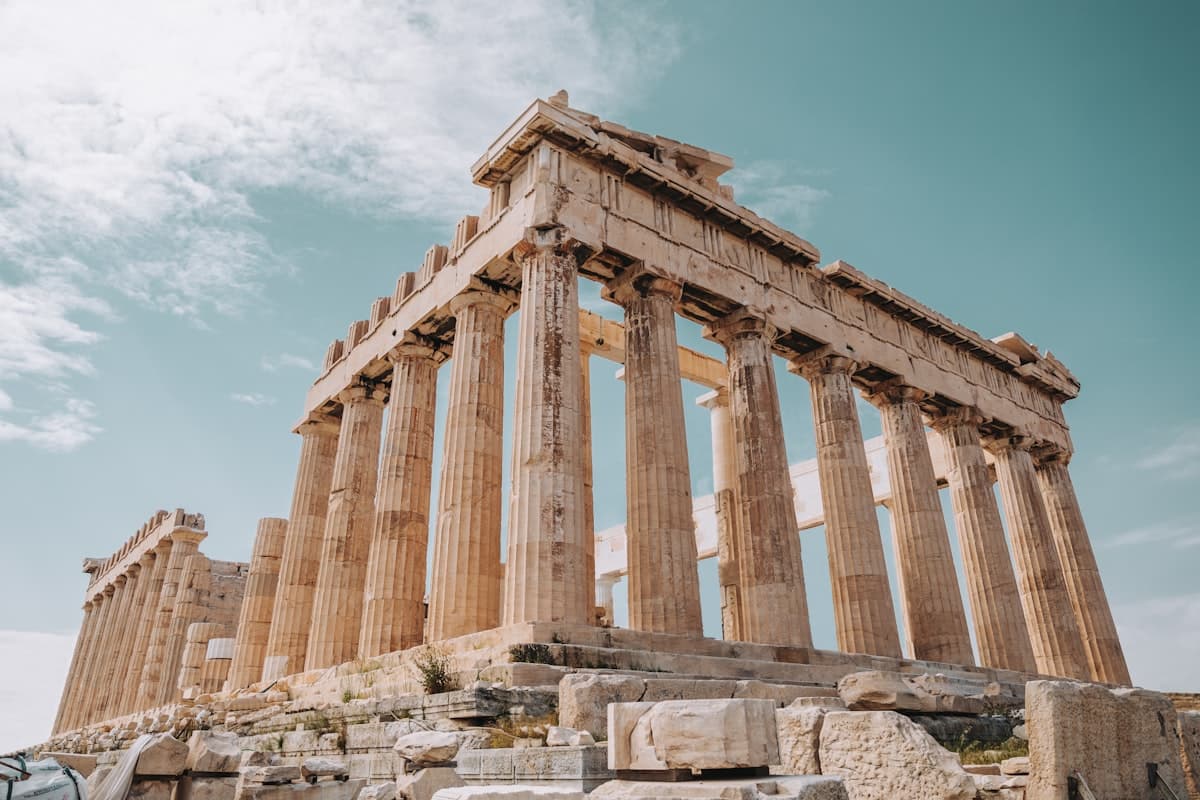
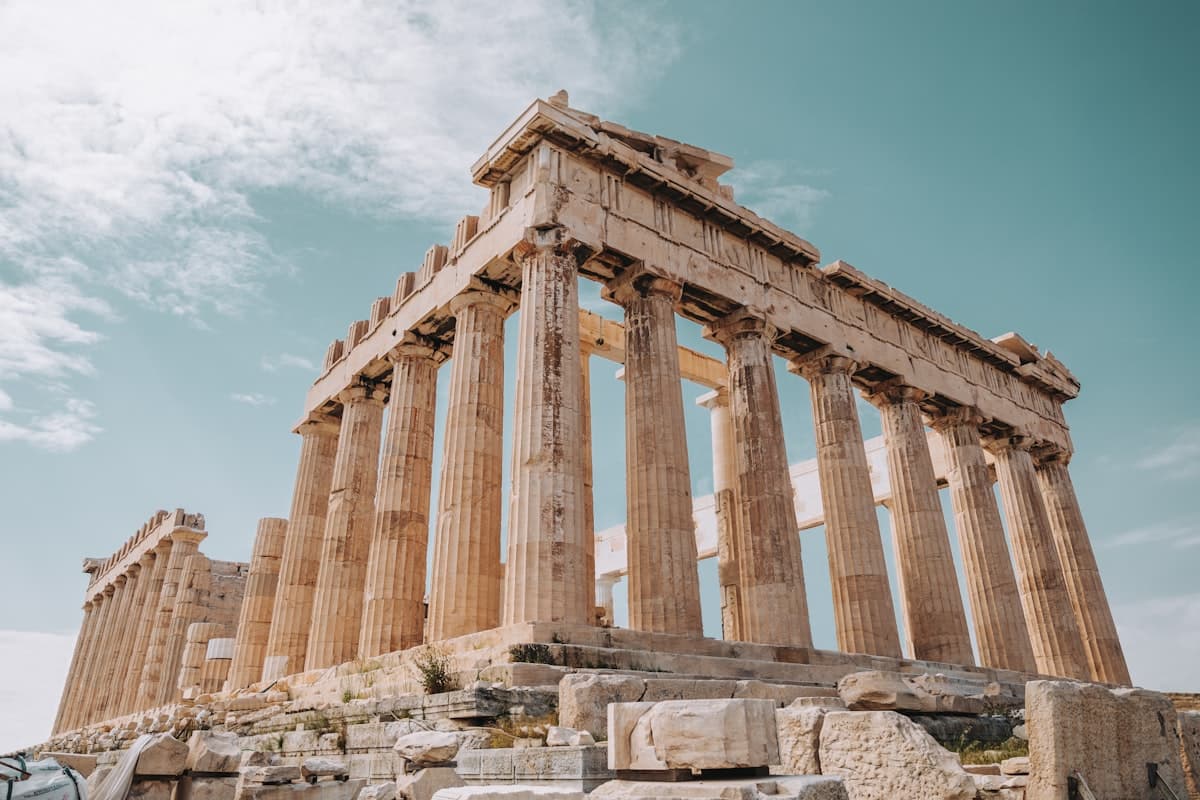
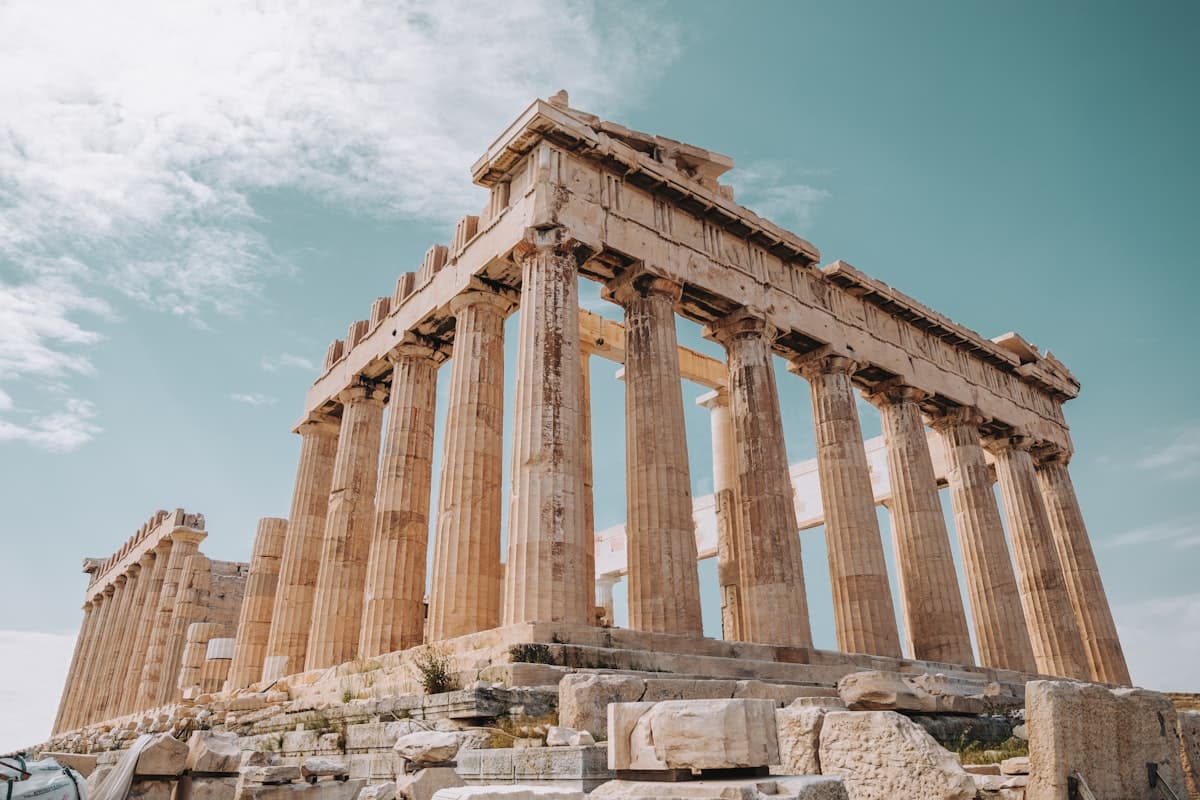
The birthplace of democracy, philosophy, theatre, the Olympics, and Western scientific thought. Greek ideas shaped Roman civilisation, the Renaissance, and the intellectual foundations of the entire modern world.

Cyrus the Great created a multicultural empire famous for religious tolerance, efficient administration, and the Royal Road stretching 2,700km — the model of imperial governance that influenced Alexander and Rome.

Flourishing for over 3,000 years, Ancient Egypt produced the pyramids, hieroglyphic writing, mummification, and a sophisticated cosmology that influenced every Mediterranean civilisation that followed.

The largest empire in pre-Columbian America built extraordinary road networks across the Andes without wheels, developed terrace agriculture that fed millions, and created Machu Picchu — one of humanity's greatest architectural achievements.

From the 8th to 13th centuries, Islamic scholars in Baghdad preserved Greek knowledge and made foundational contributions to algebra, optics, medicine, astronomy, and philosophy that directly enabled the European Renaissance.
“Mesopotamia (Sumer)”
Currently ranked #1. Where will it be in 7 days?
History & CultureA single battle can redirect the course of civilisation — determining which language a continent speaks, which religion it follows, or whether a nation exists at all. These are the battles whose outcomes shaped the world we live in today.
History & CultureHistory is shaped by individuals who channelled the forces of their era into lasting change. These are the leaders — conquerors, reformers, visionaries, and liberators — whose decisions and characters most profoundly altered the course of civilisation.
History & CultureEmpires have shaped human geography, culture, language, and law across every continent. These are the empires that dominated the largest territories, lasted the longest, or had the most profound and lasting impact on world civilisation.