01
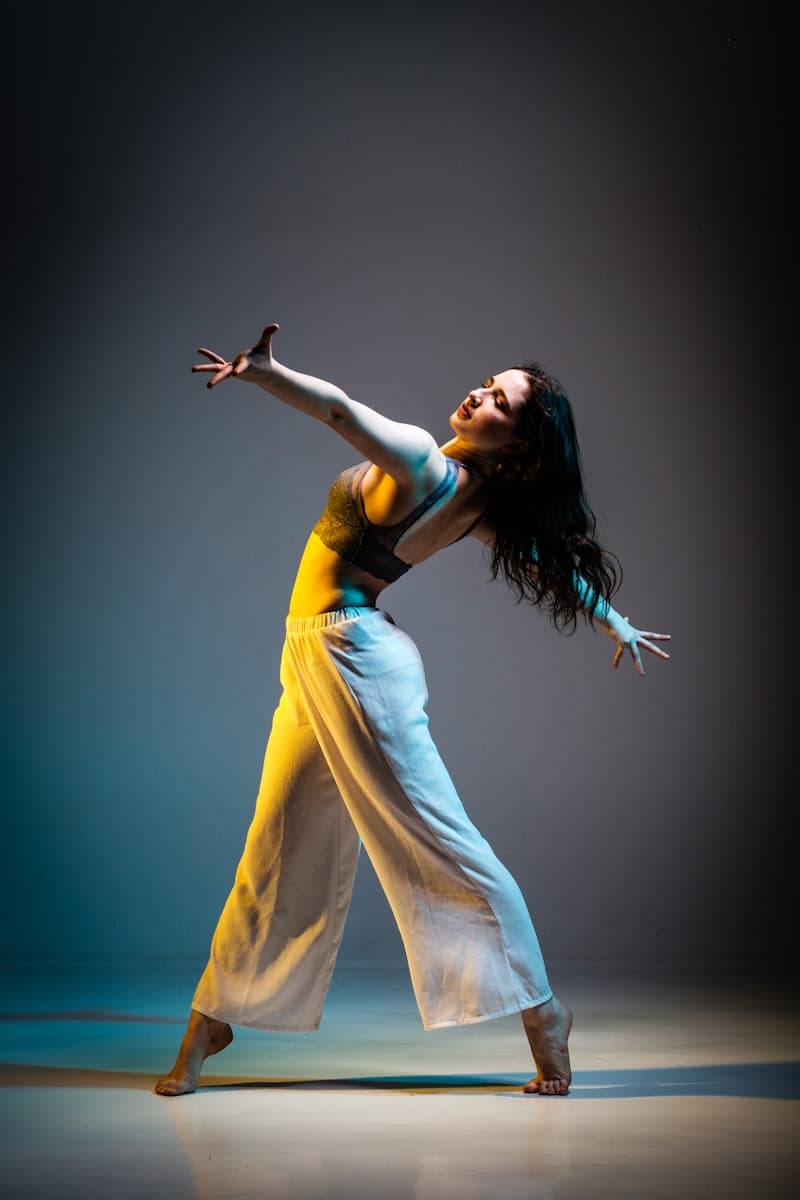
Frevo Dancing (Recife)
Pernambuco's hyperkinetic umbrella dance is a UNESCO Intangible Cultural Heritage — frevo dancers spin impossibly fast with colourful parasols in one of Brazil's most athletic folk traditions.
▲ Steady·Score +17

Brazil's Carnival is the greatest party on Earth — five days of music, dance, costumes, and cultural expression that takes a year to plan and a lifetime to forget. These are the traditions that make it extraordinary.
Pernambuco's hyperkinetic umbrella dance is a UNESCO Intangible Cultural Heritage — frevo dancers spin impossibly fast with colourful parasols in one of Brazil's most athletic folk traditions.
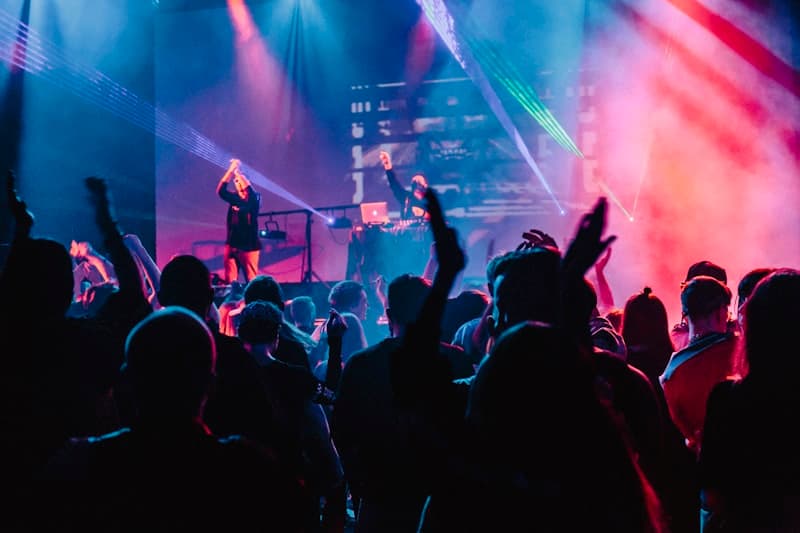
An Afro-Brazilian procession rooted in the coronation ceremonies of enslaved African kings — maracatu's heavy percussion and elaborate costumes carry enormous cultural and spiritual weight.
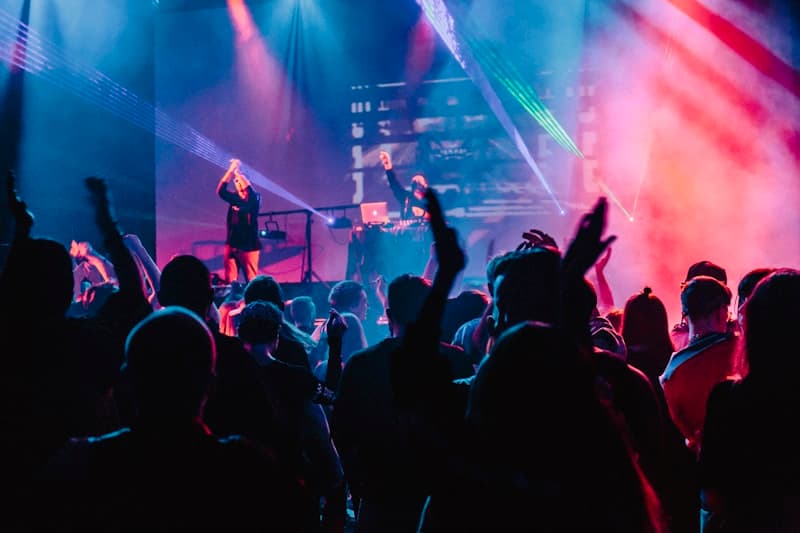
Salvador's Carnival is the largest street party on Earth by attendance — over two million people dance through the streets behind trio eletrico trucks for seven days and nights.

The world's most spectacular parade — Samba schools compete with floats, costumes, and 3,000-person dancing contingents in the Sambadrome in front of 90,000 roaring spectators.
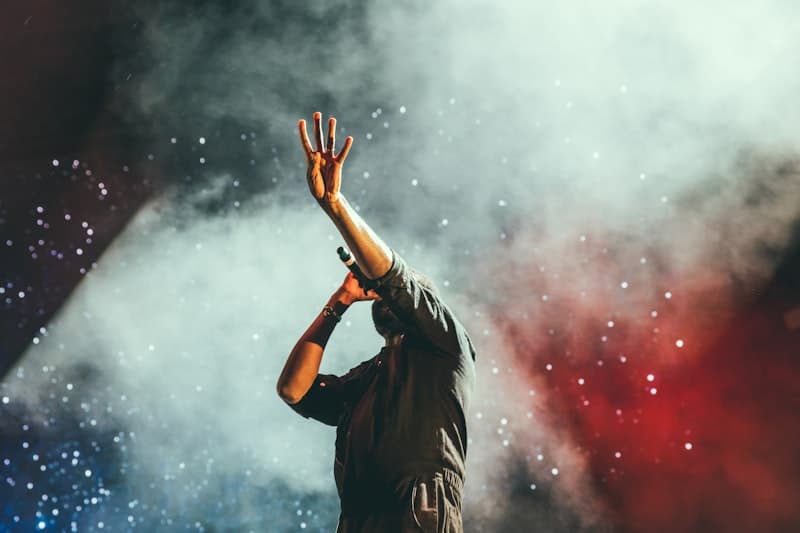
Informal neighbourhood street parties happening across every Brazilian city — Salvador's blocos, Olinda's giant puppets, and Recife's frevo dancers make street Carnival just as important.

Rio's elegant masked Carnival balls at the Copacabana Palace and other venues date to the 19th century — a sophisticated counterpoint to the street celebrations.

Salvador's Carnival runs to the rhythms of axe — a fast-paced Afro-Brazilian beat played from massive trio eletrico truck stages with artists performing to millions in the streets.

Belo Horizonte's distinctive Carnival tradition blends Afro-Brazilian religious music with carnival energy — the Bumba meu boi and tambor traditions give BH its unique cultural identity.
Each samba school writes an original theme song that must tell the year's chosen story — the best samba do enredo compositions become national hits played for years after.
Samba school costumes take months to hand-craft — sequins, feathers, and beading on spectacular themed outfits weighing up to 50kg that are worn for one night of competition.
The official opening of Carnival — Rio's mayor hands the key of the city to the King of Carnival (Rei Momo), a ceremonial fat man who represents the joyous excess of the season.
The social clubs that spend all year planning Carnival — each escola de samba presents a unique thematic performance judged on drums, flag bearers, floats, and dancing quality.
“Frevo Dancing (Recife)”
Currently ranked #1. Where will it be in 7 days?
 Brazil
Forro is the heartbeat of northeast Brazil — upbeat, accordion-driven, and impossible not to dance to. From the classic forró pe de serra to the electronic forro universitario, these artists defined one of Brazil's most joyful music traditions.
 Brazil
Samba is the heartbeat of Brazil — born in the favelas of Rio, it evolved into the nation's most celebrated musical tradition. These are the artists who carried its soul from street corners to the world stage.
 Brazil
Brazil has produced extraordinary figures in sport, art, science, literature, music, and politics whose influence extends far beyond South America. These are the Brazilians who changed the world — celebrated by their nation and admired globally.