Best Stargazing Tips for Campers
Camping

Best Stargazing Tips for Campers

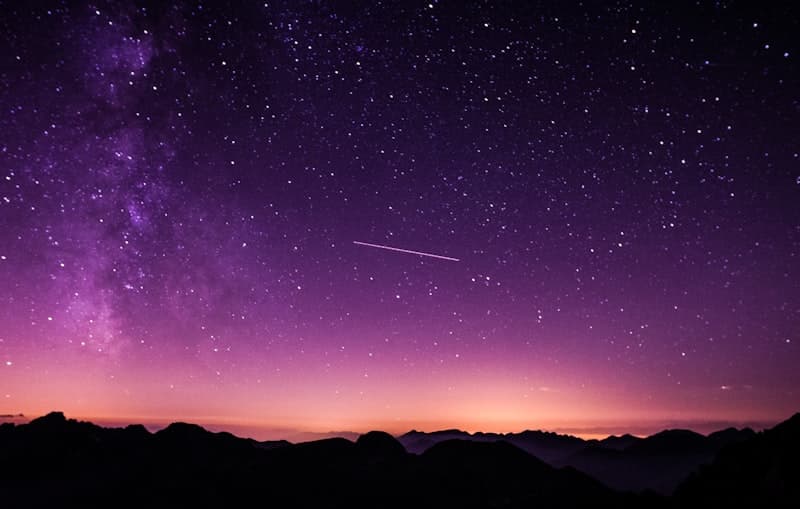
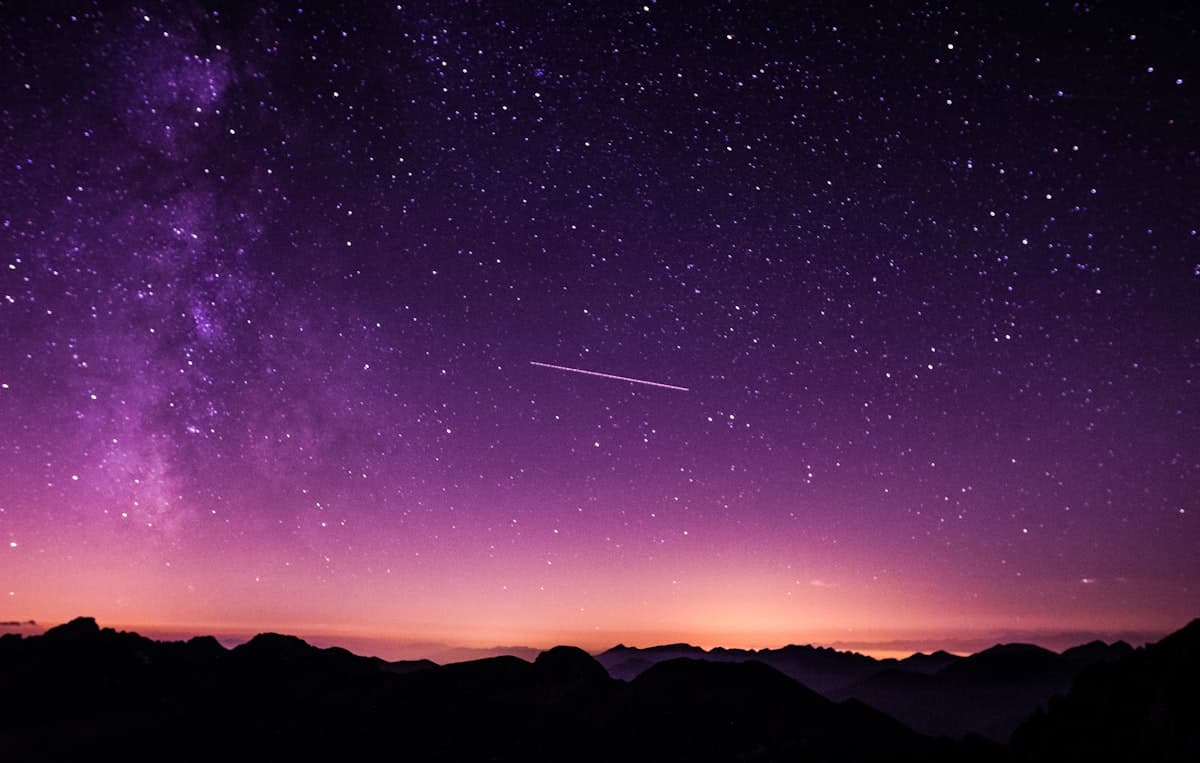
A clear night sky far from city light pollution is one of camping's most transcendent gifts — the Milky Way revealed in its full, staggering glory. These stargazing tips will help you make the most of dark skies and deepen your connection with the universe above.

Pick your favorites · Every vote moves the ranking · Results update live
← Lists
12 items
Your votes move these rankings⚡ Battle mode
Sort
01
Plan for Meteor Showers

Plan for Meteor Showers

Annual meteor showers — Perseids in August, Leonids in November, Geminids in December — produce dozens to hundreds of shooting stars per hour at their peak. They require no equipment, just patience, a dark sky, and a warm sleeping bag.

Rising·Score +21
02
Let Your Eyes Dark-Adapt for 20+ Minutes

Let Your Eyes Dark-Adapt for 20+ Minutes

It takes approximately 20-30 minutes for your eyes to reach full dark adaptation, dramatically increasing the number of stars you can perceive. Avoid all white lights during this period — even a brief phone screen exposure resets the process.

Steady·Score +20
03
Plan Around the Moon Phase

Plan Around the Moon Phase

A full moon's reflected sunlight washes out faint stars and the Milky Way. New moon nights offer the darkest skies — plan your best stargazing camping around the new moon window for the most spectacular views.

Steady·Score +19
04
Find a Dark Sky Location

Find a Dark Sky Location

The International Dark-Sky Association (IDA) designates Dark Sky Parks, Reserves, and Sanctuaries worldwide — locations where light pollution is minimal and the Milky Way is dramatically visible. Planning around these sites transforms stargazing.

Steady·Score +14
05
Use Binoculars Before a Telescope

Use Binoculars Before a Telescope

7x50 binoculars reveal the Moon's craters, Jupiter's moons, star clusters, and nebulae in a wide, easy-to-use format that binocular astronomers argue is the best first astronomy tool and remains underrated throughout a lifetime of stargazing.

Steady·Score +13
06
Learn the Key Constellations First

Learn the Key Constellations First

Memorizing just 5-10 key constellations — Orion, Ursa Major, Cassiopeia, Scorpius, the Southern Cross — gives you navigational anchors that allow you to orient yourself and find the entire rest of the sky.

Steady·Score +13
07
Use a Red Headlamp Only

Use a Red Headlamp Only

Red light preserves dark adaptation while still allowing you to read star charts or move safely around camp. Keep a dedicated red-mode headlamp for astronomy sessions and enforce red-light-only protocol among your whole group.

Steady·Score +10
08
Download a Star Map App

Download a Star Map App

Apps like Sky Map, SkySafari, and Stellarium use your phone's GPS and compass to overlay real-time star charts on your sky view — identifying constellations, planets, and deep sky objects by simply pointing your phone upward.

Steady·Score +10
09
Lie on Your Back on a Blanket

Lie on Your Back on a Blanket

Lying flat on a sleeping pad or blanket with your entire field of vision filled with sky is dramatically more comfortable and immersive than trying to look up from a seated position. This posture also reduces neck fatigue during long observing sessions.

Steady·Score +10
10
Watch for Satellites and the ISS

Watch for Satellites and the ISS

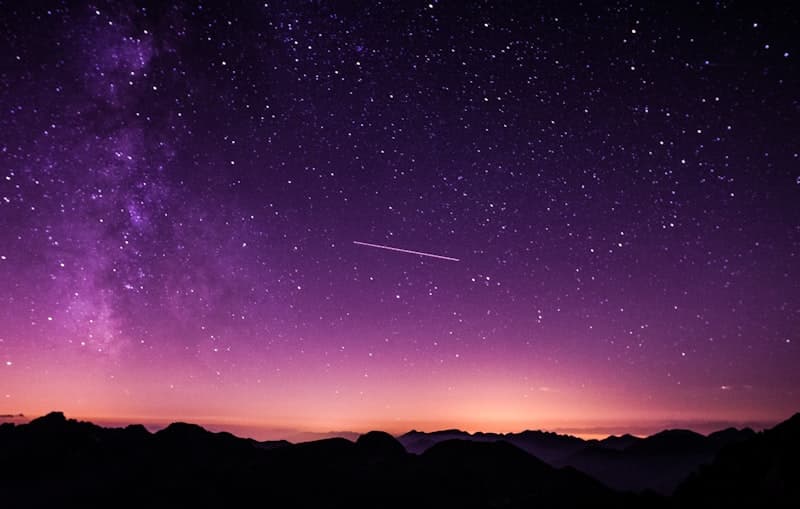
Satellites appear as steadily moving points of light crossing the sky in 2-5 minutes. The International Space Station is the brightest, crossing predictably on tracked passes — NASA's Spot the Station app sends alerts for your exact location.

Steady·Score +9
11
Photograph the Night Sky

Photograph the Night Sky

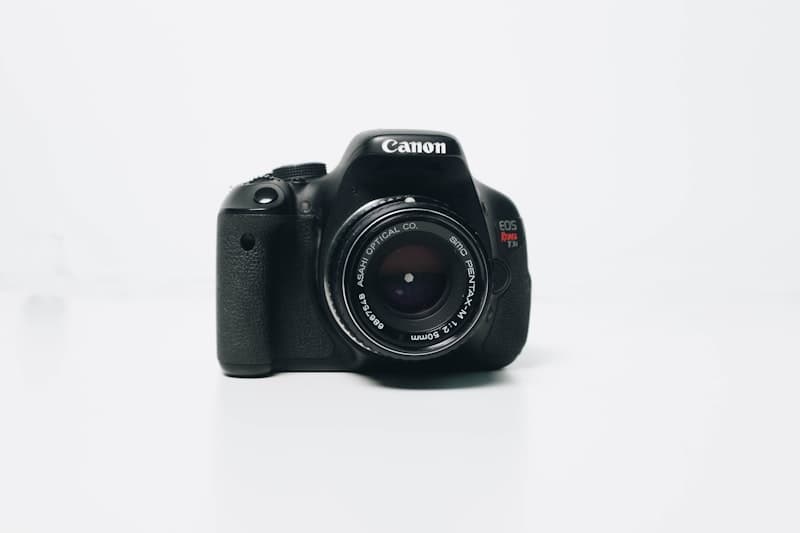
Night sky photography requires a wide-angle lens, tripod, and 15-30 second exposures at ISO 1600-3200. Even a modern smartphone with Night Mode can capture the Milky Way under dark skies, producing images that look too beautiful to be real.

Steady·Score +4
12
Spot the Milky Way Band

Spot the Milky Way Band

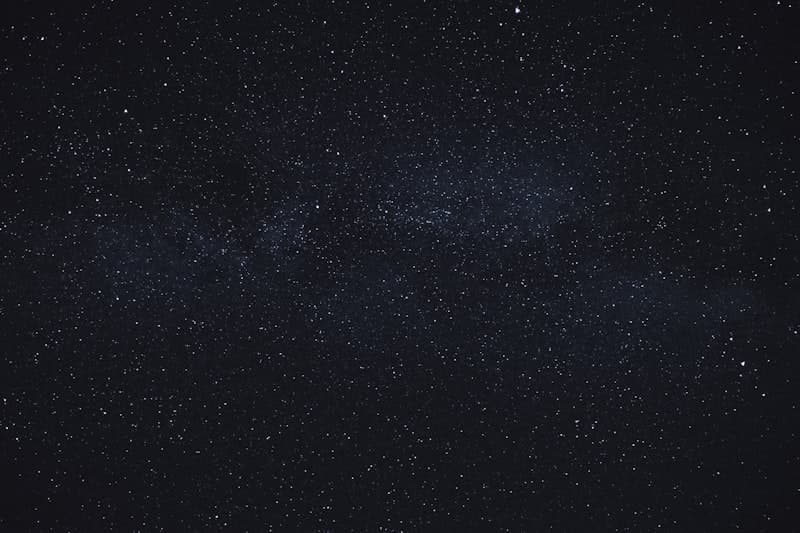
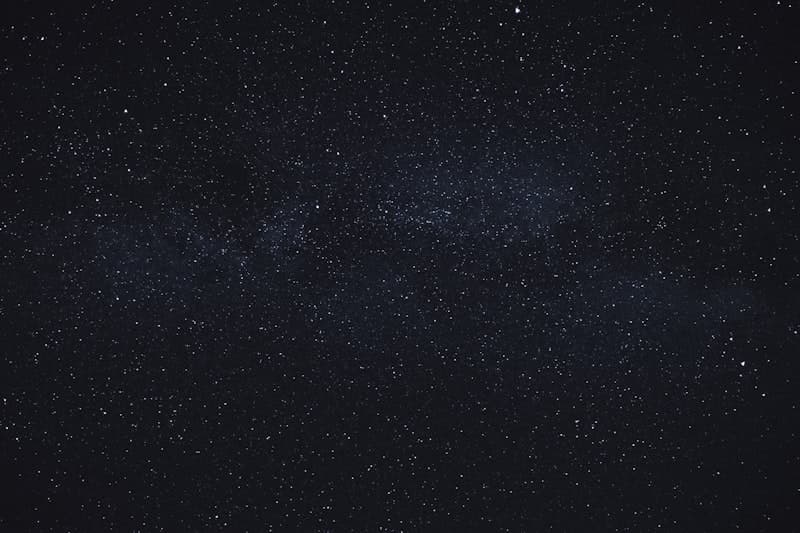
Under truly dark skies the Milky Way appears as a glowing, textured river of light crossing the sky — a view that has shocked and humbled humans for all of history and remains genuinely life-changing to see for the first time.

Steady·Score +1
Predict the rank

Plan for Meteor Showers

Currently ranked #1. Where will it be in 7 days?

More in Camping

Camping
Best Glamping Destinations in the World

Glamping — glamorous camping — combines the romance of sleeping under the stars with genuine luxury: plush beds, private bathrooms, gourmet dining, and stunning natural settings. These extraordinary glamping destinations redefine what camping can be for those who prefer their wilderness with a side of comfort.

12 items103 votesUpdated 3 days ago
Camping
Best Camping Hacks Every Outdoor Adventurer Needs

The best campers don't just know their gear — they know how to improvise, optimize, and solve problems in the field. These tried-and-true camping hacks make every trip more comfortable, safer, and more enjoyable without adding weight or complexity.

12 items74 votesUpdated 3 days ago