Freediving

Best Freediving Techniques and Training Tips

Essential skills, breathing techniques, and training methods for freedivers at every level. From beginner breath-hold fundamentals to advanced depth and distance training used by competitive freedivers.

Pick your favorites · Every vote moves the ranking · Results update live
← Lists
12 items
Your votes move these rankings⚡ Battle mode
Sort
01
Diaphragmatic Breathing

Diaphragmatic Breathing

The foundation of freediving — learning to breathe with the diaphragm rather than the chest greatly increases lung efficiency and relaxation. Diaphragmatic breathing maximizes air volume per breath and reduces CO2 buildup during breath-holds.

Steady·Score +16
02
Contractions Management

Contractions Management

Diaphragm contractions (urges to breathe) are a normal response to CO2 buildup — not oxygen depletion. Learning to relax through contractions by recognizing them as a manageable sensation is a core freediving skill.

Steady·Score +14
03
Duck Diving and Entry Techniques

Duck Diving and Entry Techniques

A clean, streamlined duck dive is essential for efficient depth entries. Proper arm sweep, leg extension, and body alignment minimize energy expenditure at the surface and carry momentum through the first 10 metres.

Steady·Score +14
04
Frenzel Equalization

Frenzel Equalization

The technique used by advanced freedivers to equalize ear pressure using throat muscles rather than blowing. Mastering Frenzel equalization is essential for diving beyond 20 metres comfortably and safely.

Steady·Score +12
05
Freediving Courses and Certification

Freediving Courses and Certification

AIDA and PADI freediving courses provide structured progression from beginner to advanced levels. Certified instruction is strongly recommended — courses teach essential safety, technique, and rescue skills.

Steady·Score +11
06
CO2 Tolerance Tables

CO2 Tolerance Tables

Structured breath-hold training tables that progressively expose freedivers to higher CO2 levels. CO2 tables develop the comfort and composure needed to remain calm as contractions increase during longer dives.

Steady·Score +10
07
O2 Tables for Extending Breath Hold

O2 Tables for Extending Breath Hold

Oxygen tables train the body to utilize oxygen more efficiently by practising progressive breath-holds with longer recovery periods. A structured O2 programme can extend static apnea times by 30–60 seconds.

Steady·Score +8
08
Monofin Technique

Monofin Technique

The monofin — used in depth disciplines — produces highly efficient propulsion with the whole body moving in dolphin-kick motion. Even recreational divers learn basic monofin technique to reduce energy and oxygen use.

Steady·Score +8
09
Buddy System and Safety Protocols

Buddy System and Safety Protocols

Never freedive alone — the buddy system is non-negotiable. A trained buddy watching from above can respond immediately to shallow water blackout, the primary cause of freediving fatalities.

Steady·Score +5
10
Yoga and Pranayama for Freedivers

Yoga and Pranayama for Freedivers

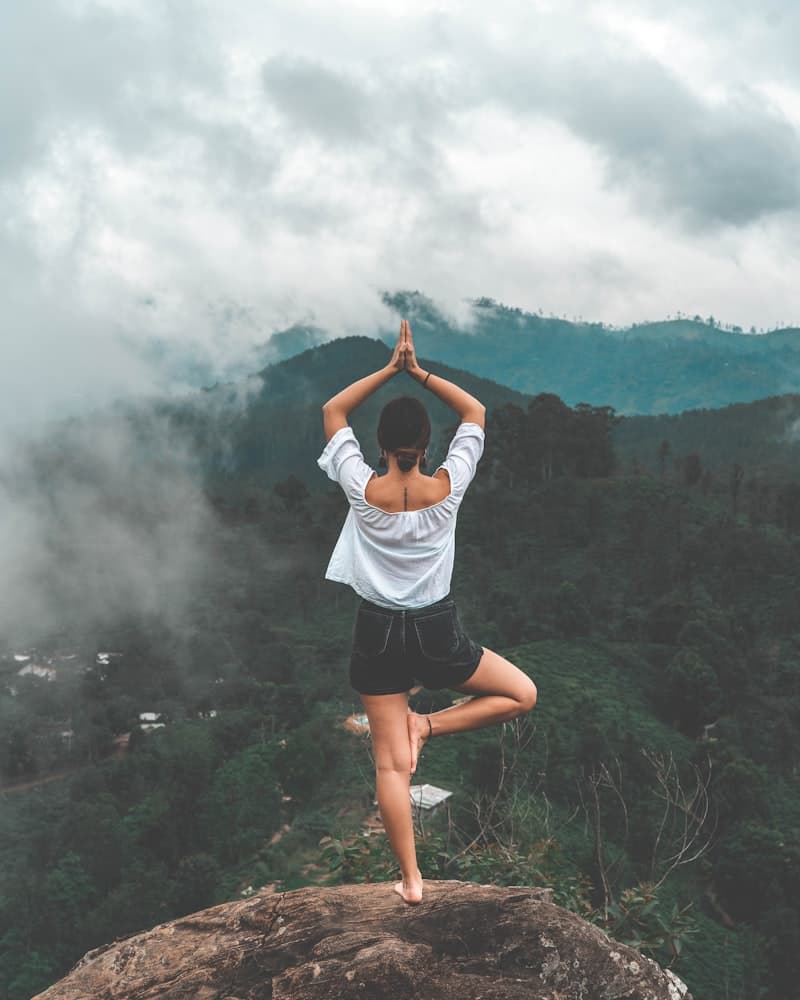
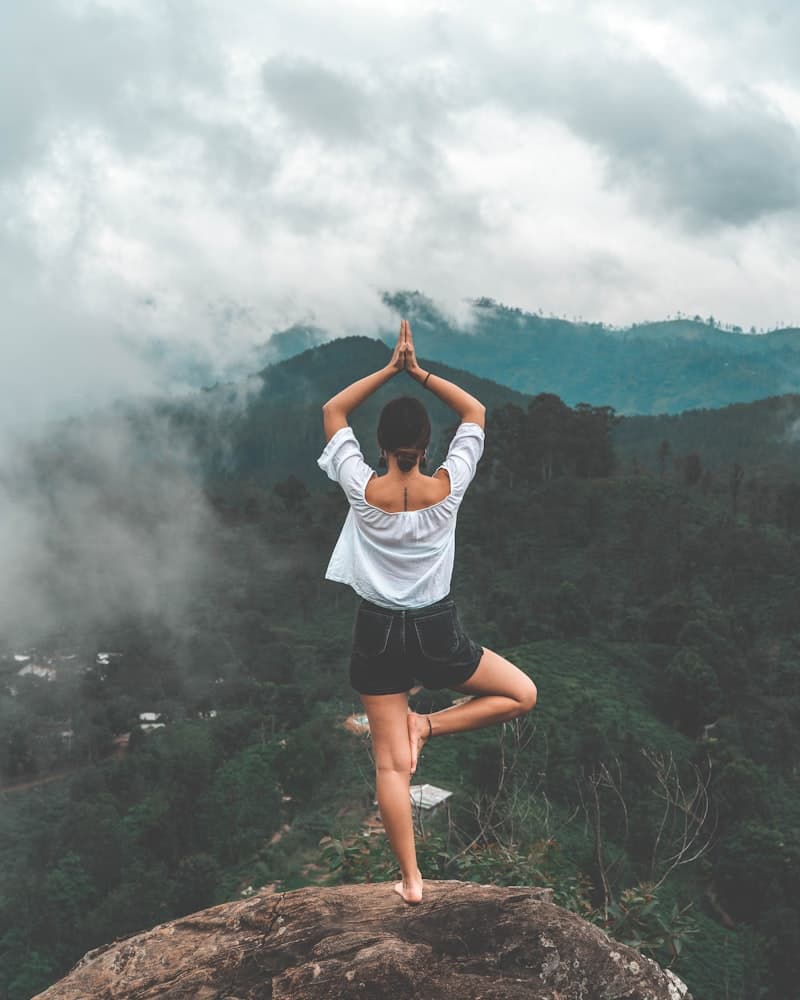
Yoga breath control practices — particularly pranayama techniques like kapalabhati and nadi shodhana — develop breath awareness, lung elasticity, and parasympathetic nervous system control critical for freediving.

Steady·Score +5
11
Static Apnea Training

Static Apnea Training

Practising breath-holds on the surface or in a pool to increase tolerance and extend maximum breath-hold time. Static apnea sessions with a buddy develop the mental and physiological foundation of all freediving disciplines.

Be first to vote ↑
12
Relaxation and Visualization

Relaxation and Visualization

Pre-dive relaxation routines — body scanning, slow breathing, and mental visualization of the dive — reduce heart rate and oxygen consumption, directly extending underwater time and depth.

Be first to vote ↑
Predict the rank

Diaphragmatic Breathing

Currently ranked #1. Where will it be in 7 days?