
Best Graphic Design Principles Everyone Should Know
Creative Arts

Best Graphic Design Principles Everyone Should Know

Great graphic design is built on timeless principles that govern how we perceive, process, and respond to visual information. Understanding these foundational rules — even if you're not a designer — transforms how you see and create visual communication.

Pick your favorites · Every vote moves the ranking · Results update live
← Lists
12 items
Your votes move these rankings⚡ Battle mode
Sort
01
Know Your Audience First

Know Your Audience First

The most beautiful design fails if it doesn't resonate with its intended audience. Professional designers research their audience before picking a single color or font — design is communication, not self-expression.

Steady·Score +19
02
Contrast and Visual Weight

Contrast and Visual Weight

Contrast — between light and dark, large and small, serif and sans-serif — creates visual interest and directs the viewer's eye. Without contrast, designs feel flat and fail to communicate any sense of priority.

Steady·Score +15
03
Choosing the Right Typeface

Choosing the Right Typeface

A typeface's personality should match the message and brand it represents — a law firm and a skateboard brand should not share the same font. Typography communicates character before a single word is read.

Steady·Score +10
04
The Rule of Proximity

The Rule of Proximity

Elements placed close together are perceived as related. Grouping related information visually reduces cognitive load and helps readers instinctively understand the structure and relationships within a design.

Steady·Score +10
05
Typography Hierarchy

Typography Hierarchy

Clear typographic hierarchy guides readers through content by using size, weight, and spacing to signal what's most important. Mastering type hierarchy is arguably the single most valuable skill in graphic design.

Steady·Score +8
06
Less is More

Less is More

The principle of restraint — removing every non-essential element until only what's absolutely necessary remains — produces cleaner, more elegant, more effective communication. Complexity is the enemy of clarity in design.

Steady·Score +5
07
The Power of White Space

The Power of White Space

White space (or negative space) is not empty space — it's an active design element that gives compositions breathing room, emphasizes key elements, and signals sophistication. Overcrowding is the most common beginner design mistake.

Steady·Score +5
08
Alignment and Grid Systems

Alignment and Grid Systems

Professional designs are built on invisible grids that create order, rhythm, and visual logic. Consistent alignment eliminates the amateur feeling of random element placement and creates design that feels intentionally constructed.

Steady·Score +4
09
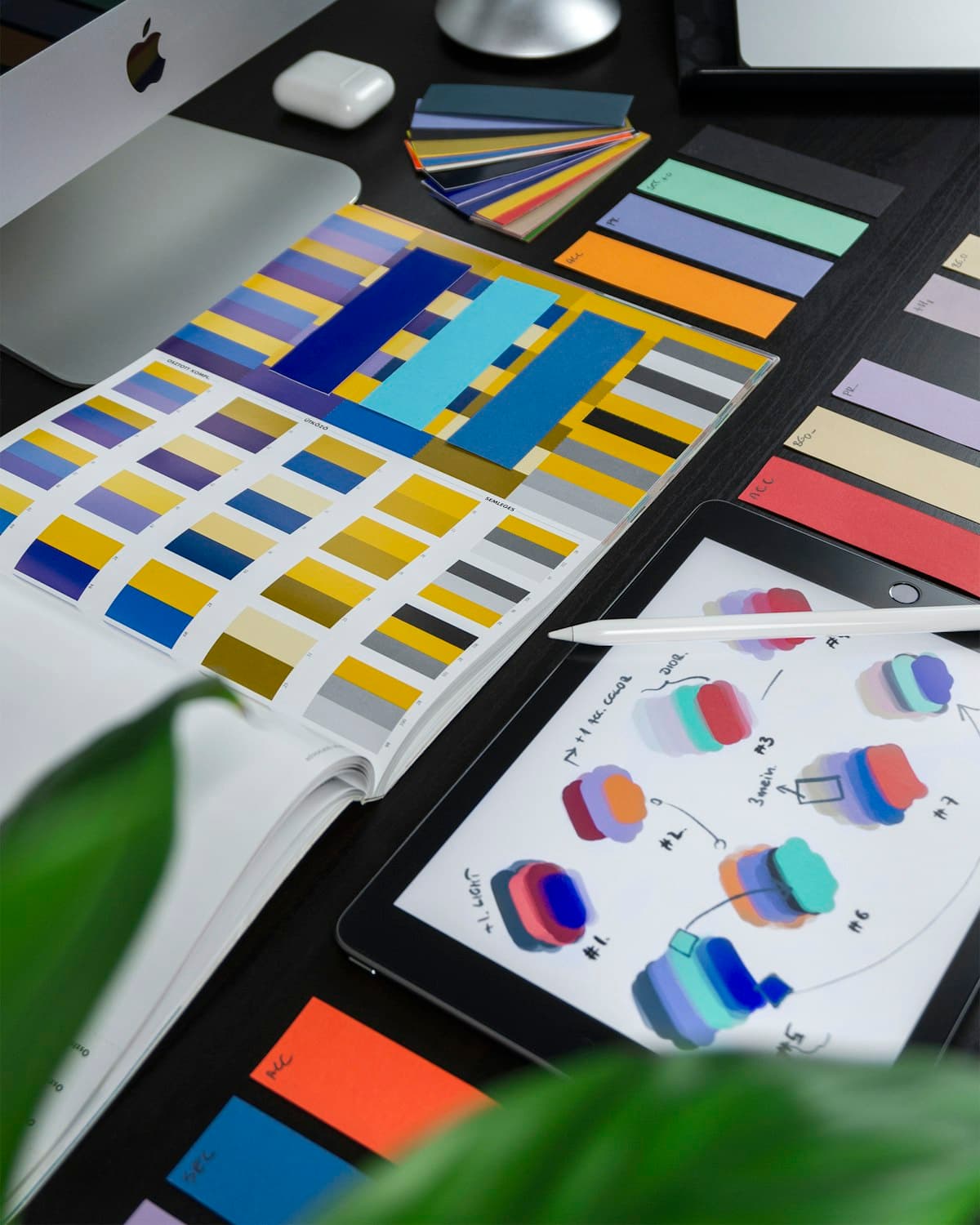
Color Theory and Psychology

Color Theory and Psychology

Colors carry powerful psychological associations — red signals urgency and passion, blue conveys trust and calm, yellow suggests energy and optimism. Understanding color theory allows designers to trigger specific emotional responses intentionally.

Steady·Score +3
10
Scalability and Responsive Design

Scalability and Responsive Design

Great design works at every size — from a business card to a billboard, from a phone screen to a desktop monitor. Designing for scalability from the start prevents costly redesigns later.

Steady·Score +2
11
Repetition Creates Unity

Repetition Creates Unity

Repeating visual elements — colors, fonts, shapes, spacing — throughout a design creates cohesion and brand recognition. Repetition is the invisible thread that ties every element of a design into a unified whole.

Steady·Score +2
12
Visual Flow and Eye Movement

Visual Flow and Eye Movement

Good design controls where the viewer looks first, second, and third — guiding the eye through content in a deliberate sequence using size, contrast, position, and implied movement.

Steady·Score -1
Predict the rank

Know Your Audience First

Currently ranked #1. Where will it be in 7 days?

More in Creative Arts

Creative Arts
Best Sculpture Artists of All Time

Sculpture — the art of giving three-dimensional form to idea and material — has produced some of humanity's most enduring and powerful works. From ancient marble to contemporary steel and light installations, these artists defined what sculpture can be.

12 items111 votesUpdated 21 hours ago
Creative Arts
Best Street Art Cities in the World

Street art has transformed from underground rebellion into one of the world's most vibrant and democratic art forms — turning cities into open-air galleries accessible to everyone. These cities have embraced street art as a core part of their cultural identity.

12 items117 votesUpdated 21 hours ago
Creative Arts
Best Illustration Styles for Artists to Master

Illustration is one of the most versatile creative disciplines — spanning books, animation, fashion, editorial, and digital media. Developing fluency in different illustration styles exponentially expands your creative range and market opportunities.

12 items80 votesUpdated 21 hours ago