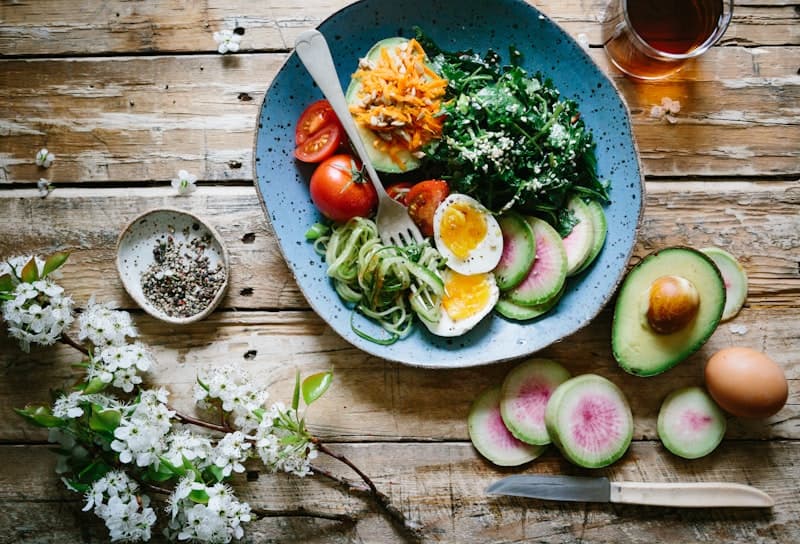
Fermented Foods: Kefir
Kefir contains up to 61 strains of live bacteria — far more than most probiotic supplements. Regular kefir consumption improves lactose digestion, reduces inflammatory markers, and is one of the most studied probiotic foods.

The gut microbiome influences immunity, mood, metabolism, and even cognitive function. These are the foods with the strongest scientific evidence for building a diverse, resilient gut microbiome and improving digestive health.

Kefir contains up to 61 strains of live bacteria — far more than most probiotic supplements. Regular kefir consumption improves lactose digestion, reduces inflammatory markers, and is one of the most studied probiotic foods.

Beta-glucan in oats is one of the most thoroughly researched prebiotic fibres and selectively increases Lactobacillus and Bifidobacterium counts while reducing potentially harmful Bacteroides populations in the gut.

The Korean fermented vegetable dish delivers live Lactobacillus cultures alongside fibre, vitamins, and antioxidants. Regular kimchi consumption is associated with improved gut diversity and reduced body fat in clinical studies.

Blueberry polyphenols are selectively metabolised by gut bacteria into compounds that reduce intestinal inflammation. Regular blueberry consumption increases Akkermansia muciniphila — a bacterium strongly associated with metabolic health.

Japanese fermented soybean paste delivers diverse probiotic strains alongside glutamate for umami flavour. Miso soup consumption is associated with lower gastric cancer rates and improved gut barrier integrity in Japanese population studies.

The single richest dietary source of inulin — a prebiotic fibre that dramatically increases Bifidobacterium populations in the gut. Even small servings produce measurable shifts in microbiome composition within 2 weeks.

Cooking rice and cooling it overnight converts digestible starch to resistant starch that passes undigested to the colon and feeds beneficial bacteria. Reheating does not reverse this — the resistant starch remains stable.

Cacao polyphenols serve as prebiotics for Bifidobacterium and Lactobacillus in the gut. At 70% cacao or above the sugar content is low enough that the prebiotic benefit outweighs glycaemic impact for most people.

Unpasteurised sauerkraut delivers billions of live Lactobacillus bacteria per serving alongside glucosinolates from cabbage that have independently demonstrated anti-inflammatory and gut-protective properties.

High-fibre legumes are among the most powerful gut microbiome diversifiers available. People who regularly eat pulses have significantly more diverse gut microbiomes and lower rates of colon cancer in epidemiological research.

Garlic is one of the richest sources of fructooligosaccharides — prebiotic fibres that selectively feed beneficial Bifidobacterium and Lactobacillus strains in the gut without feeding pathogenic bacteria.

The phenols in EVOO — particularly oleocanthal and oleuropein — selectively inhibit pathogenic bacteria while promoting beneficial Bifidobacterium and Lactobacillus growth in ways that processed olive oils cannot match.
“Fermented Foods: Kefir”
Currently ranked #1. Where will it be in 7 days?
Evidence-based supplements that can genuinely improve your health — discover the vitamins, minerals, and compounds with the strongest research behind them for long-term wellbeing.
The world's most evidence-backed dietary pattern — the Mediterranean diet reduces heart disease, improves brain health, and promotes longevity through olive oil, vegetables, and whole grains.
The ketogenic diet transforms your metabolism by drastically cutting carbs — discover the best keto foods, meal strategies, and tips for successfully entering and maintaining ketosis.