Homesteading

Best Homesteading Tips and Skills for Self-Sufficient Living

Reconnect with the land and build true self-sufficiency — these homesteading skills ranging from food preservation to animal husbandry create a more resilient and meaningful lifestyle.

Pick your favorites · Every vote moves the ranking · Results update live
← Lists
12 items
Your votes move these rankings⚡ Battle mode
Sort
01
Water Collection and Conservation

Water Collection and Conservation

Rainwater harvesting with IBC totes, gray water recycling, and drip irrigation maximize water efficiency — in areas with summer dry seasons, water security becomes the critical limiting factor for homestead productivity.

Steady·Score +16
02
Raising Backyard Chickens

Raising Backyard Chickens

A small flock of 4-6 hens produces 3-5 eggs daily while consuming kitchen scraps and garden pests — chickens are the single most impactful homesteading step connecting food production to daily life.

Steady·Score +16
03
N

Natural Medicine and Herbal Remedies

Growing medicinal herbs (echinacea, elderberry, calendula, chamomile, feverfew) and learning tincture, poultice, and tea preparation reduces dependence on pharmaceutical interventions for everyday ailments.

Steady·Score +16
04
Composting and Soil Building

Composting and Soil Building

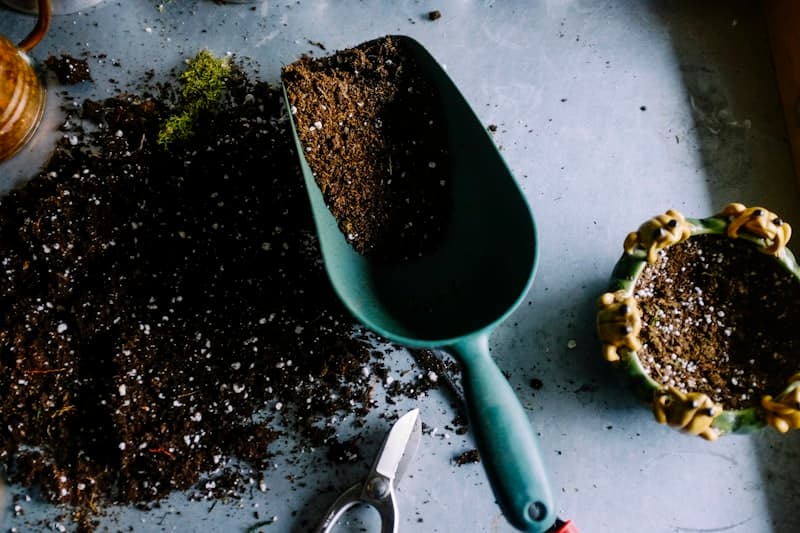
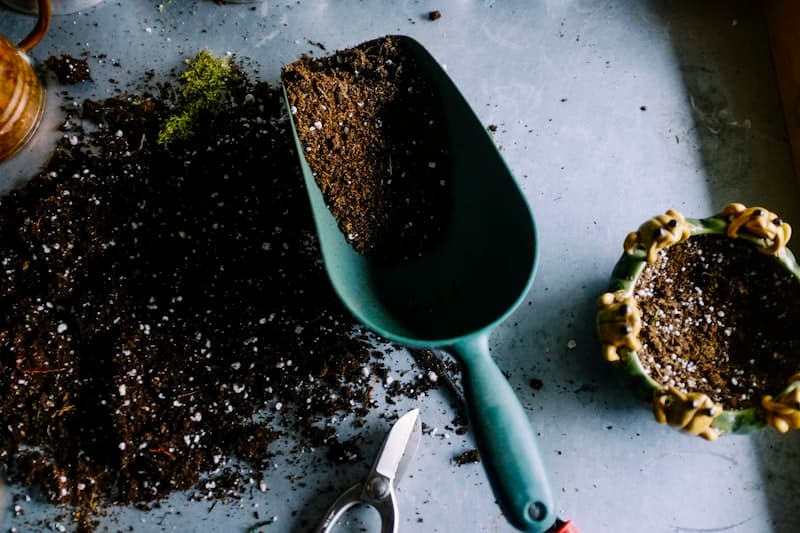
Closing the nutrient loop by returning kitchen and farm waste to the soil — hot composting with carbon:nitrogen balance, compost tea, and worm castings create the fertility that eliminates need for purchased fertilizers.

Steady·Score +13
05
Woodworking and Farm Repairs

Woodworking and Farm Repairs

Basic carpentry skills for building raised beds, chicken coops, and fencing repairs reduce dependence on contractors — YouTube University and community college woodworking courses provide essential homestead self-sufficiency.

Steady·Score +11
06
Basic Animal Husbandry

Basic Animal Husbandry

Goats for milk and clearing brush, rabbits for meat and manure, pigs for efficient food waste conversion, and heritage turkeys for annual protein diversify a homestead beyond chickens with manageable complexity.

Steady·Score +11
07
S

Sourdough Bread Baking

Maintaining a wild yeast starter and baking your own bread eliminates dependence on commercial yeast and store bread — sourdough fermentation develops flavor complexity and improves digestibility significantly.

Steady·Score +9
08
Off-Grid Energy Systems

Off-Grid Energy Systems

Solar panel arrays with battery banks, propane backup generators, and highly insulated construction reduce or eliminate grid electricity dependence — modern lithium battery systems make off-grid living genuinely comfortable.

Steady·Score +7
09
Growing a Productive Vegetable Garden

Growing a Productive Vegetable Garden

Seed-to-table food production connects you to food systems in a profound way — a 400 square foot intensively planted kitchen garden produces the majority of vegetables a small family consumes in summer months.

Steady·Score +5
10
Foraging for Wild Edibles

Foraging for Wild Edibles

Identifying and harvesting wild mushrooms, berries, greens, and roots supplements cultivated food production — Ramps, morel mushrooms, blackberries, and elderflowers are abundant, identifiable, and delicious.

Steady·Score +3
11
Food Preservation (Canning, Fermenting, Dehydrating)

Food Preservation (Canning, Fermenting, Dehydrating)

Water bath canning for high-acid foods, pressure canning for low-acid, fermentation for probiotics, and dehydrating for lightweight storage — food preservation transforms garden abundance into year-round food security.

Steady·Score +3
12
C

Community and Local Food Systems

Homesteading in community with neighbors — skill sharing, food exchanges, labor trades, and buying groups create the resilience that isolated individual homesteads cannot achieve, making the whole greater than its parts.

Be first to vote ↑
Predict the rank

Water Collection and Conservation

Currently ranked #1. Where will it be in 7 days?