01
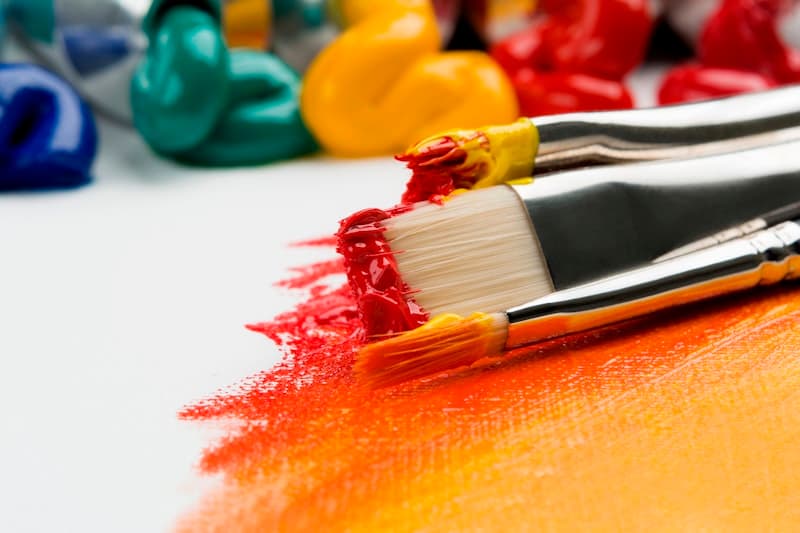
Color Mixing Fundamentals
Understanding primary, secondary, and tertiary colors plus the color wheel, warm/cool color theory, and how to mix clean versus muddy colors forms the foundation of all painting skill development.
▲ Steady·Score +18
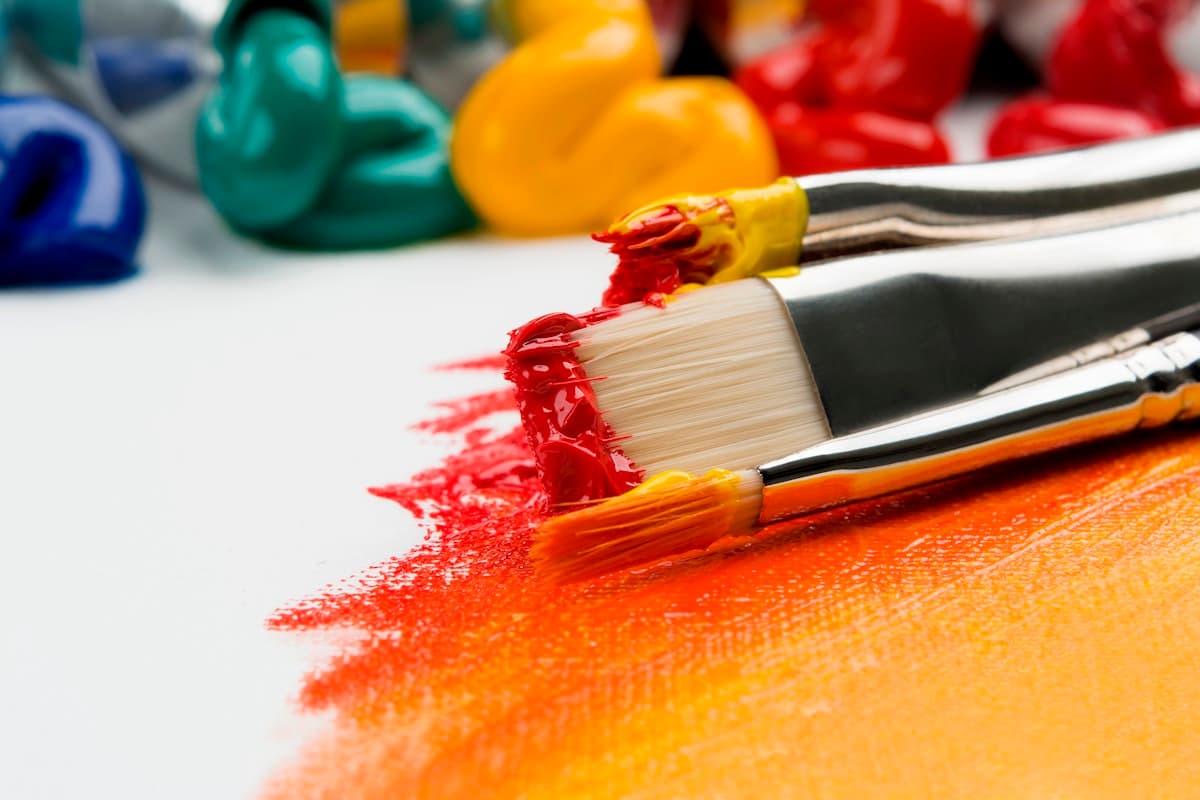
Essential painting techniques in watercolor, acrylic, and oil to help beginner artists develop skill, style, and confidence.
Understanding primary, secondary, and tertiary colors plus the color wheel, warm/cool color theory, and how to mix clean versus muddy colors forms the foundation of all painting skill development.
Painting outdoors directly from nature trains rapid observation skills, teaches how to simplify complex scenes, and builds comfort with changing light conditions. A practice embraced by Impressionists that remains essential today.
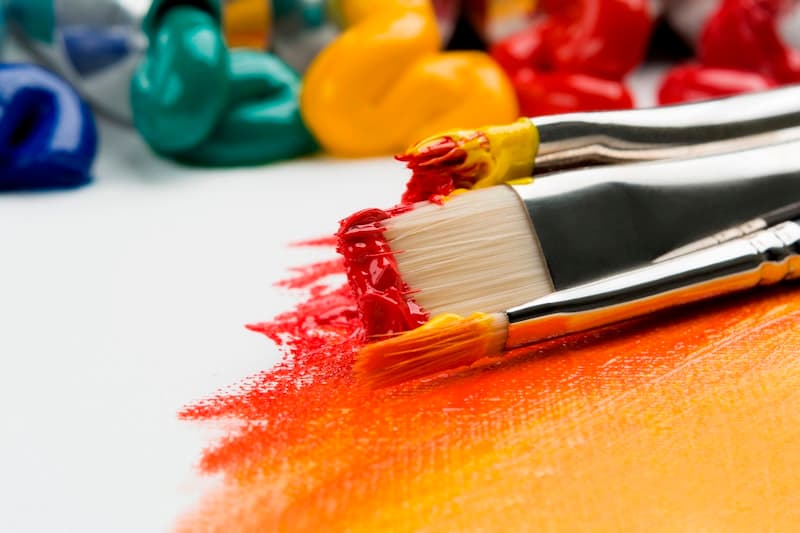
Painting from direct observation — still life, landscape, or figure — develops perceptual skills that photo reference cannot replicate. The three-dimensional reading of form, light, and color in life trains observation fundamentally.
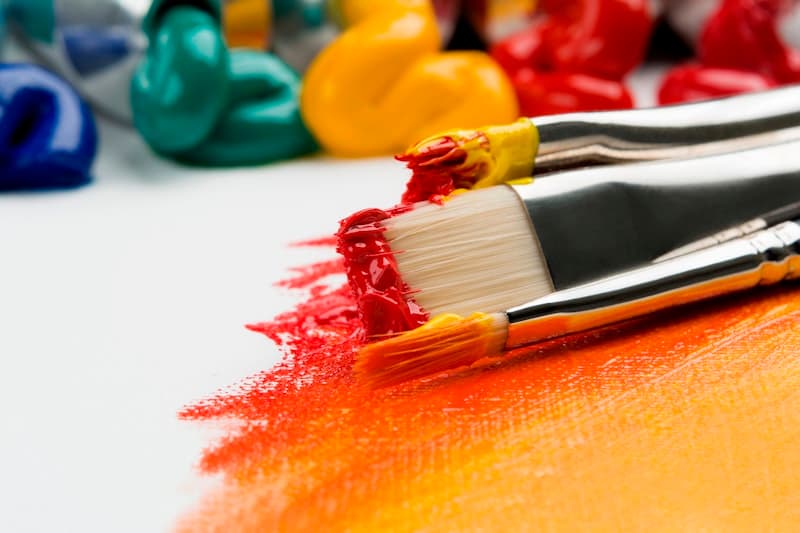
Pouring thinned acrylic paints across a canvas and manipulating them with tilting, blowing, and cell-creating additives has become one of the most accessible and visually striking painting techniques for beginners.
Creating 5-10 small thumbnail sketches exploring different compositional arrangements before committing to a full painting is a professional practice that prevents wasting paint and canvas on weak compositions.
Establishing values and composition in a monochromatic underpainting before applying color glazes is a technique used by Old Masters. It simplifies complex compositions and ensures correct tonal structure.
Applying thick, textured paint with a palette knife or heavily loaded brush creates three-dimensional surface texture. Van Gogh's swirling impasto in Starry Night and Monet's thick water lily paint are iconic examples.
Painting the space around an object rather than the object itself trains the eye to see shapes rather than symbols. This fundamental drawing and painting technique dramatically improves representational accuracy.
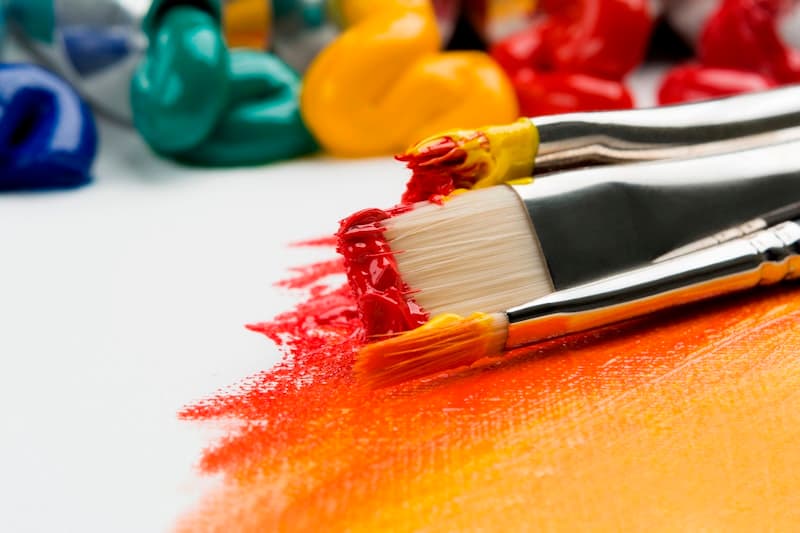
Applying wet paint to a pre-wetted surface creates soft, blooming effects perfect for skies, water, and atmospheric backgrounds. The technique requires working quickly and accepting beautiful unpredictability.
Restricting yourself to 3-5 colors forces creative problem-solving and produces naturally harmonious paintings. Working with a limited palette is recommended for all beginners as it eliminates decision paralysis.
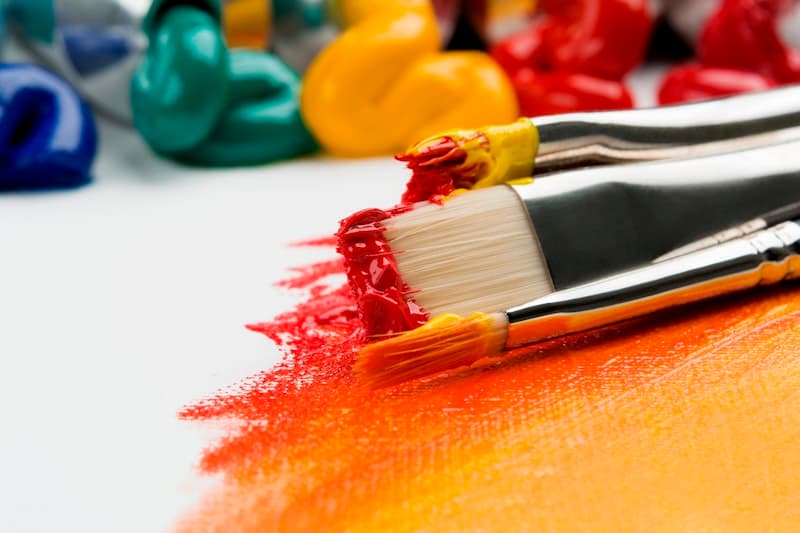
Applying thin transparent layers of color over dry paint creates the jewel-like luminosity seen in Rembrandt and Vermeer's work. Each glaze modifies the color beneath while preserving depth and light.
Loading a nearly dry brush with a small amount of paint and dragging it across textured paper creates rough, broken marks perfect for grass, fur, bark, and sparkling water. A versatile technique across all painting mediums.
“Color Mixing Fundamentals”
Currently ranked #1. Where will it be in 7 days?