Teaser
The Teaser — balancing on the sit bones with legs and upper body lifted in a V-shape — is Pilates' most iconic and challenging exercise, requiring the complete integration of spinal articulation, hip flexor strength, and abdominal control.

Pilates — developed by Joseph Pilates in the 1920s — builds deep core strength, spinal stability, and full-body coordination through controlled, precise movements that rehabilitate, strengthen, and sculpt simultaneously. These fundamental exercises form the backbone of every effective Pilates practice.

The Teaser — balancing on the sit bones with legs and upper body lifted in a V-shape — is Pilates' most iconic and challenging exercise, requiring the complete integration of spinal articulation, hip flexor strength, and abdominal control.

Drawing circles with a straight leg while keeping the pelvis completely stable builds hip mobility and deep stabilizer strength — the pelvis control required making this a surprisingly challenging exercise for its apparent simplicity.

The Hundred is Pilates' signature warm-up — pumping the arms while holding a challenging abdominal curl position for 100 counts builds core endurance, coordinates breathing with movement, and connects the practitioner to the work ahead.

The Roll Up's slow, articulated spine movement — peeling the vertebrae off the mat one by one both ascending and descending — builds extraordinary abdominal control and spinal mobility that directly transfers to posture and back health.

The Pilates Bicycle combines rotation, spinal flexion, and alternating leg movements in a coordinated sequence that targets the obliques and challenges coordination while building endurance in the deep abdominal stabilizers.

The side-lying leg series builds hip abductor and adductor strength, glute activation, and pelvis stability in the frontal plane — movement patterns largely ignored by conventional gym training that directly address common back and knee pain origins.

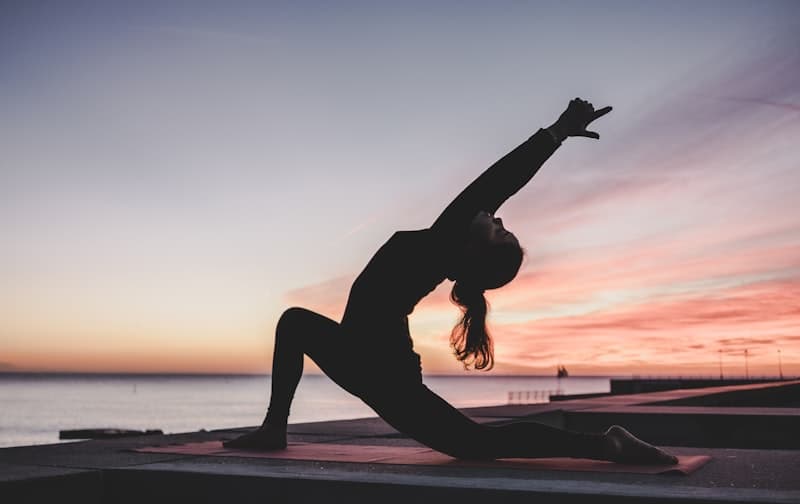
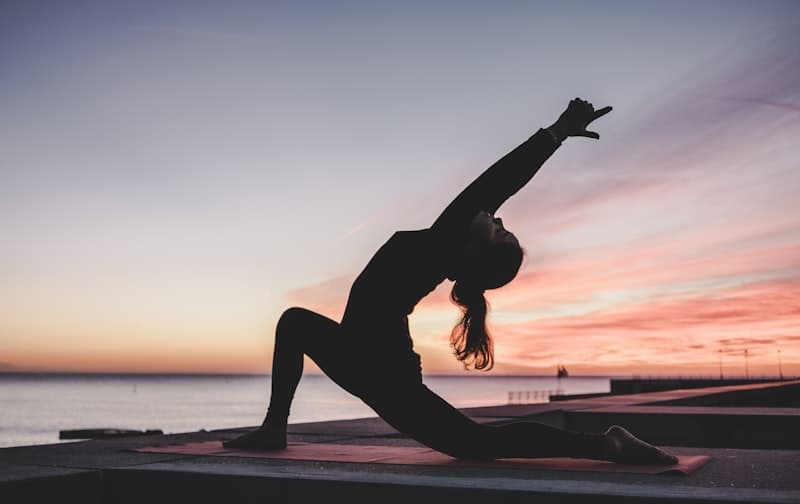
Seated with legs extended, the Spine Stretch's deep forward flexion stretches the entire posterior chain while teaching the C-curve abdominal engagement that forms the basis of Pilates' spinal movement philosophy.

Pilates plank builds total-body stability by holding a rigid, straight line from head to heels — the deep transversus abdominis engagement required in Pilates plank producing superior core activation compared to conventional gym plank technique.

The Reformer's footwork series — pushing the spring-loaded carriage with various foot positions — builds leg strength, improves alignment, and creates body awareness of subtle weight distribution differences that mat work alone cannot provide.

This playful massaging exercise rolls the spine in a curved C-shape, mobilizing each vertebra while building the abdominal control required to control the movement — a deceptively effective exercise that children instinctively perform.

Swan develops thoracic extension — the backward bending movement most people's spines desperately lack — strengthening the posterior chain and opening the chest in a world where forward flexion postures dominate daily life.

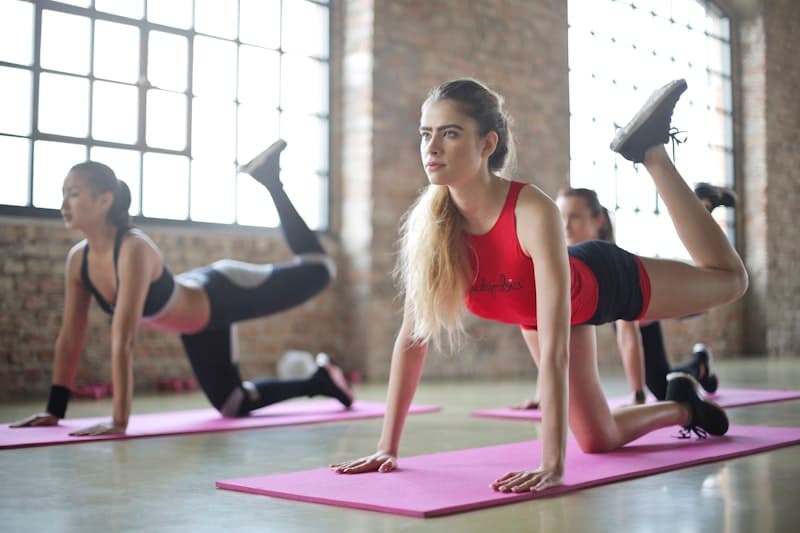
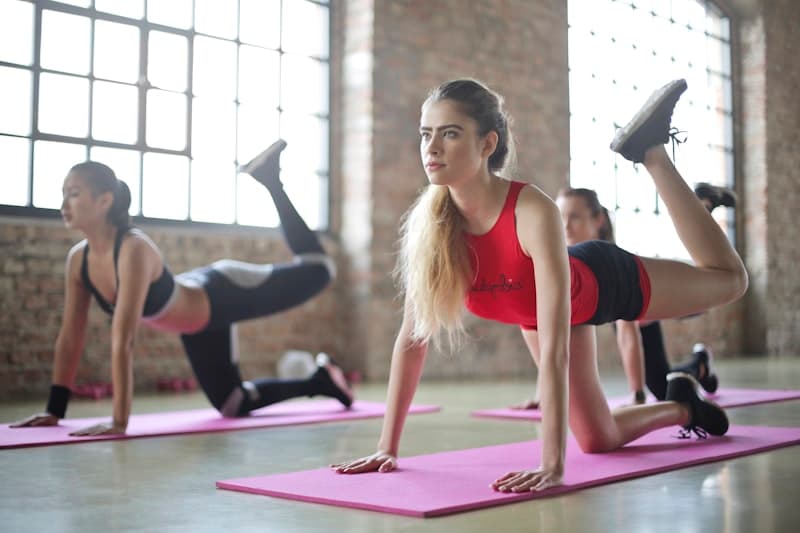
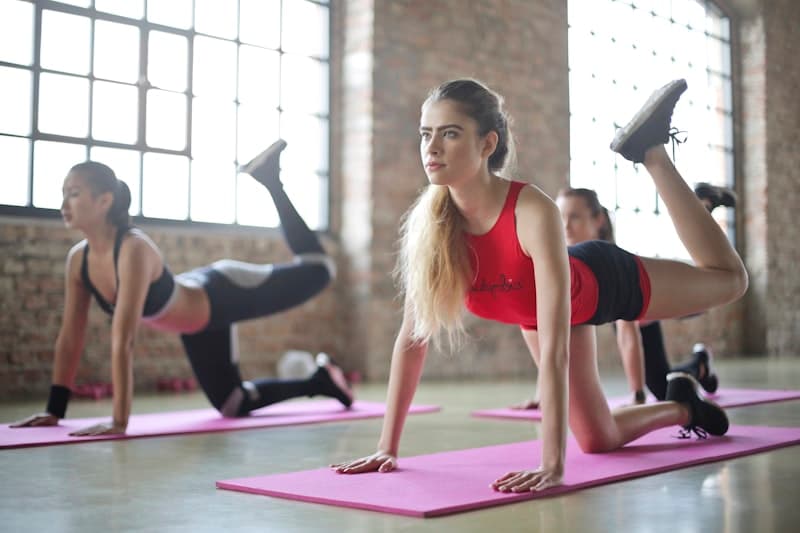
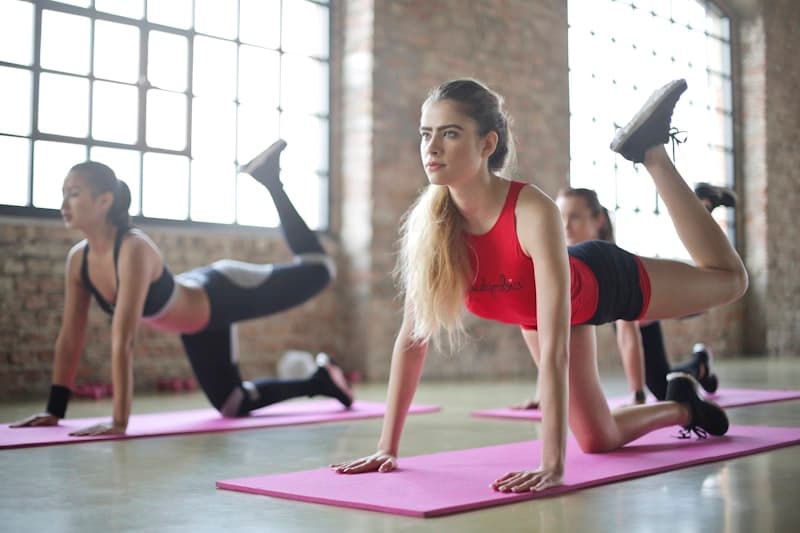
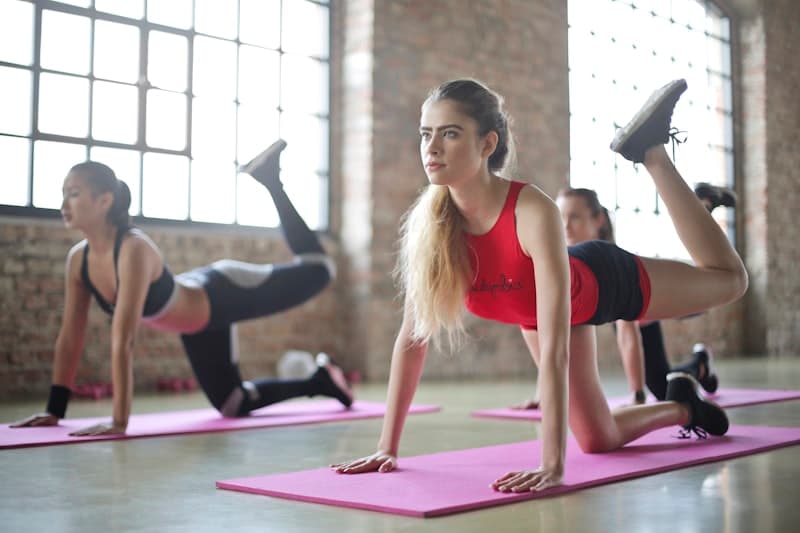
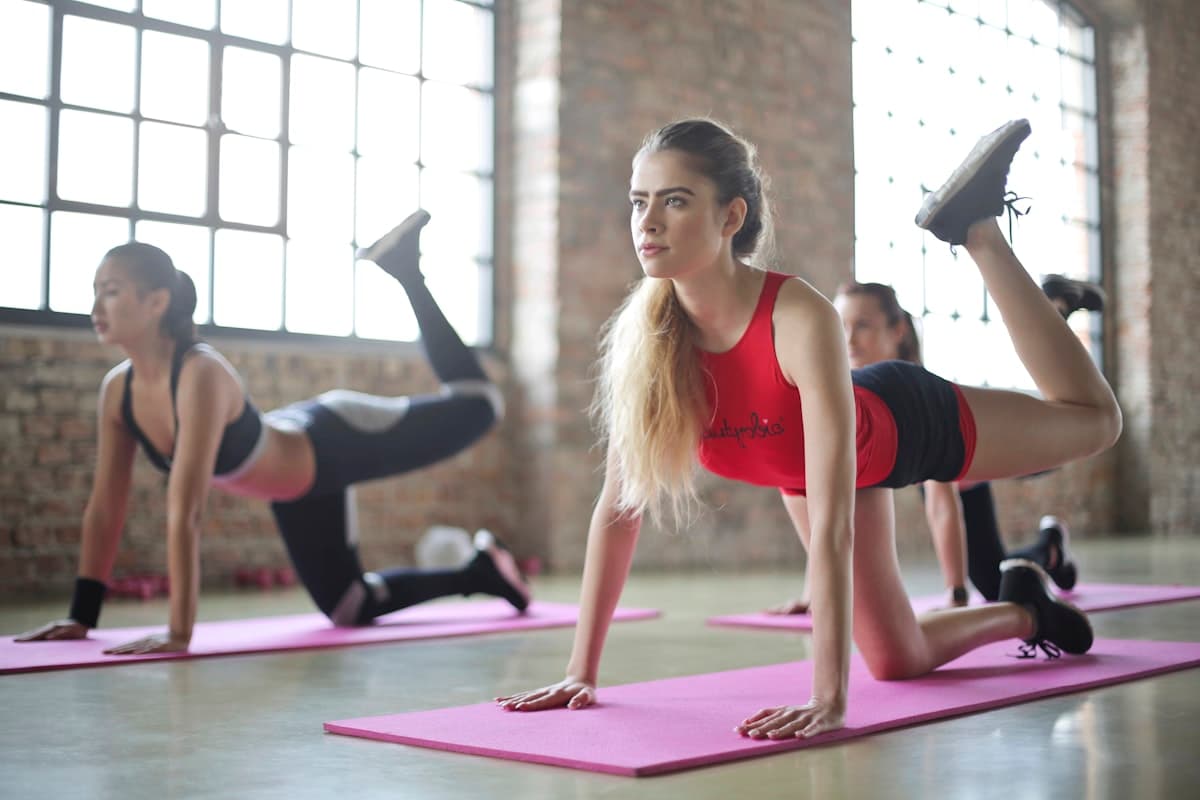
In a plank position with leg lifts, Leg Pull Front challenges shoulder stability, core engagement, and hip flexor strength simultaneously — one of Pilates' most demanding mat exercises that rewards consistent practice with remarkable total-body strength.
“Teaser”
Currently ranked #1. Where will it be in 7 days?
Group fitness classes offer motivation, structure, and community — but the results you get depend heavily on how you approach them. These expert-backed tips will help you maximize every session, avoid injury, and stay consistent for long-term transformation.
From HIIT to dance cardio to strength training, the variety of group fitness class formats available today means there's truly something for everyone. This list breaks down the most popular and effective fitness class types — what they involve, who they're best for, and what results to expect.
Fitness ClassesBarre classes — combining ballet-inspired movements with Pilates, yoga, and light weights — have become one of the most popular boutique fitness formats worldwide for their ability to sculpt long, lean muscles without high-impact stress on joints. Here's what makes barre uniquely effective.