01

Cold Retard Overnight Proofing
Placing the shaped loaf in a banneton (proofing basket) and refrigerating for 8-16 hours develops complex flavor, strengthens gluten, and makes scoring easier on a cold loaf.
▲ Steady·Score +14
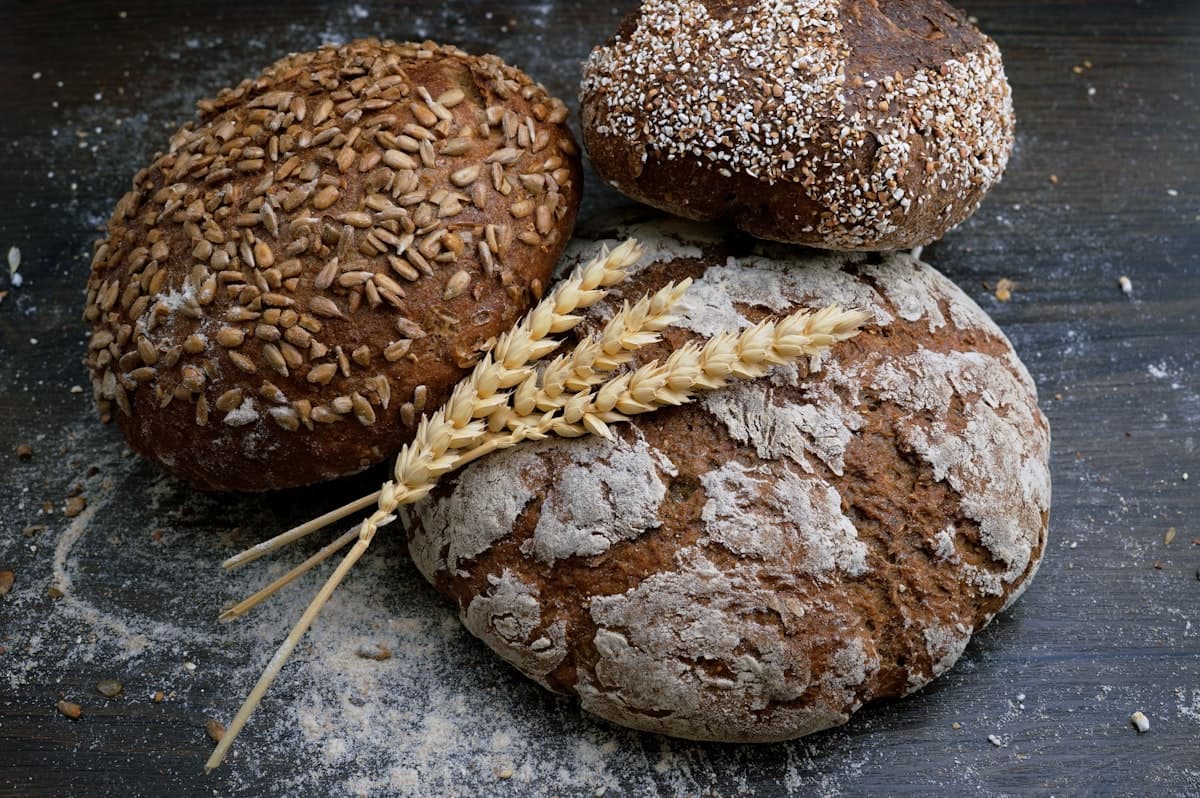
Complete sourdough guide from creating your first starter to baking an open-crumb, crusty loaf at home.
Placing the shaped loaf in a banneton (proofing basket) and refrigerating for 8-16 hours develops complex flavor, strengthens gluten, and makes scoring easier on a cold loaf.

Peter Reinhart's The Bread Baker's Apprentice, Ken Forkish's Flour Water Salt Yeast, and the Breadtopia and The Perfect Loaf online communities provide inexhaustible resources for improving sourdough technique.
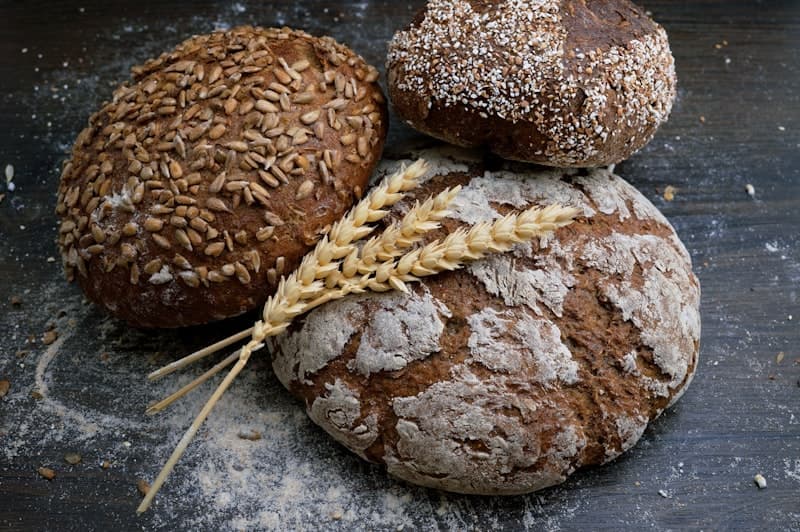
Baking in a covered Dutch oven for the first 20-25 minutes traps steam from the dough that keeps the crust soft during oven spring. Removing the lid then allows the crust to caramelize to a deep, crackling mahogany.
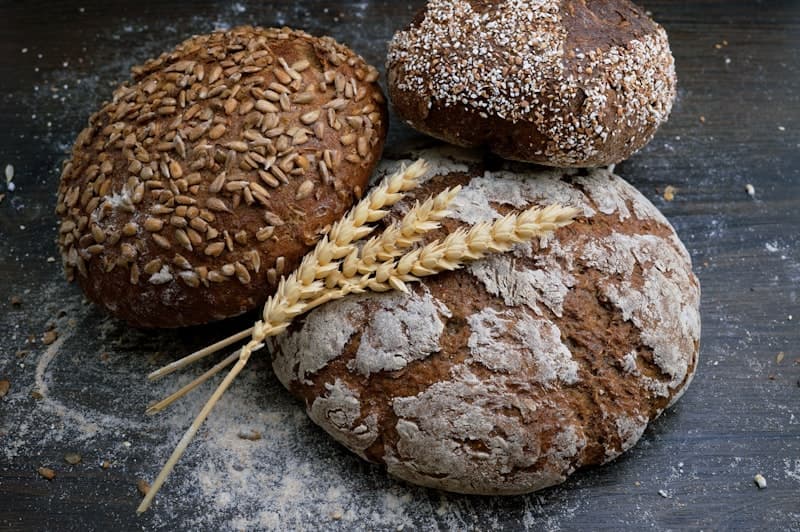
A 70-75% hydration dough (750ml water per 1kg flour) is ideal for beginners — workable yet productive of an open crumb. Higher hydrations (80%+) require more skill to handle but reward with larger holes.

Combining flour and water 30-60 minutes before adding starter and salt allows the gluten to develop and the flour to fully hydrate. Autolyse simplifies kneading and produces more extensible, workable dough.

Performing 4-6 sets of stretch-and-folds during bulk fermentation (instead of traditional kneading) builds gluten strength and incorporates air into the dough while keeping the dough cool and manageable.
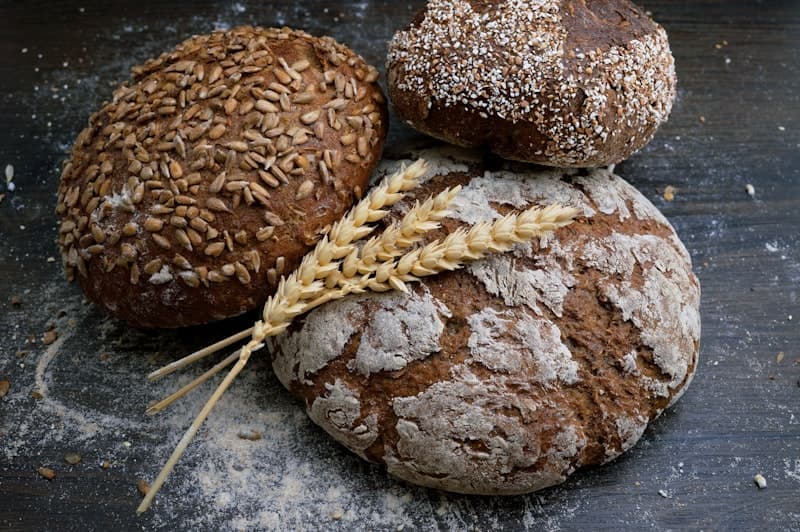
Flat loaves indicate under-fermentation or weak starter; dense crumb suggests over-fermentation; spreading indicates poor shaping. Understanding the cause of each failure accelerates the learning curve dramatically.
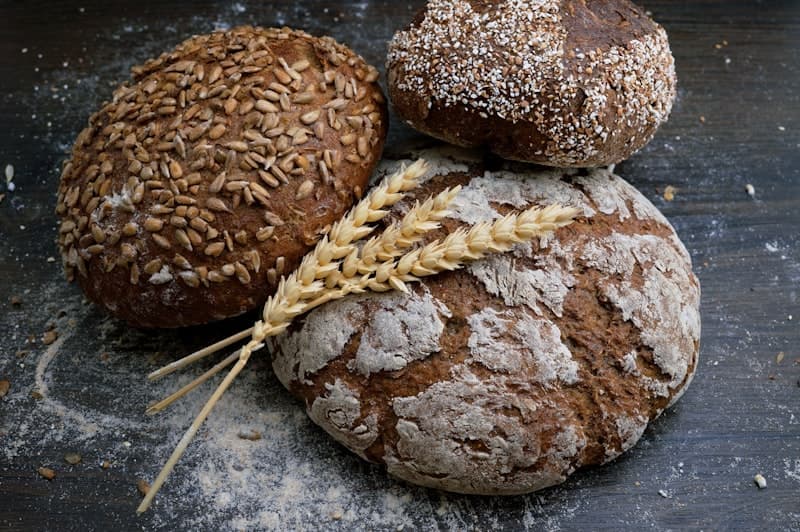
The 4-12 hour bulk fermentation at room temperature develops flavor and structure. The dough should increase 50-75% in volume and feel alive, jiggly, and full of bubbles before shaping.
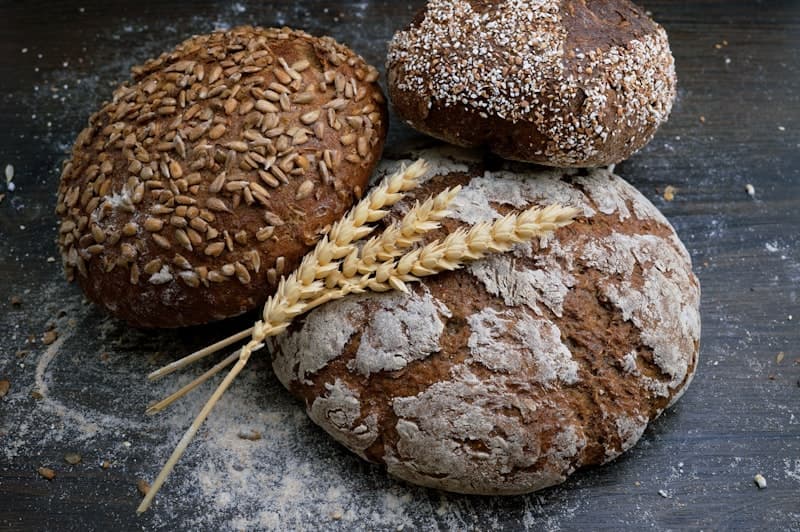
A sourdough starter is simply flour and water fermented by wild yeast and bacteria. Feeding equal weights of flour and water daily for 7-14 days until reliably doubling within 4-6 hours creates an active, bubbly starter.
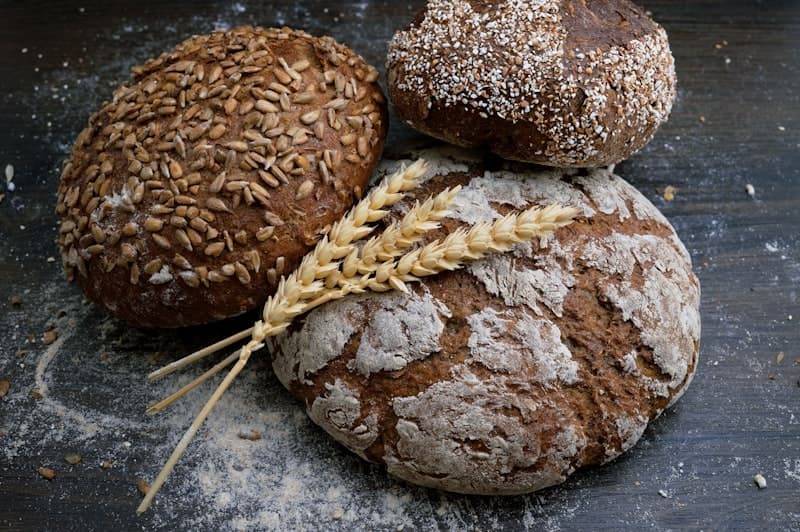
Pre-shaping, bench resting 20 minutes, and final shaping create the surface tension that allows the loaf to hold its structure during oven spring. A bench scraper and well-floured surface are essential tools.

Slashing the dough with a razor-sharp lame before baking directs the oven spring upward rather than sideways. The classic single ear score, diamond cross-hatch, and wheat stalk patterns create beautiful baked designs.

Bread flour's higher protein content (12-14%) develops stronger gluten than all-purpose flour. Adding 10-20% whole wheat or rye flour feeds the starter more actively and contributes earthy, nutty flavor complexity.
“Cold Retard Overnight Proofing”
Currently ranked #1. Where will it be in 7 days?
From fluffy cakes to crusty loaves, discover the most satisfying and foolproof baking recipes that will fill your kitchen with irresistible aromas and delicious results.