Angkor Wat, Cambodia
The largest religious monument ever constructed — Angkor Wat's 9th-16th century temple complex covers 400 square km of jungle-reclaimed Khmer empire ruins, best explored at sunrise over the reflecting pools.
The most extraordinary UNESCO-listed natural and cultural sites on Earth — humanity's most irreplaceable landmarks and landscapes.

The largest religious monument ever constructed — Angkor Wat's 9th-16th century temple complex covers 400 square km of jungle-reclaimed Khmer empire ruins, best explored at sunrise over the reflecting pools.

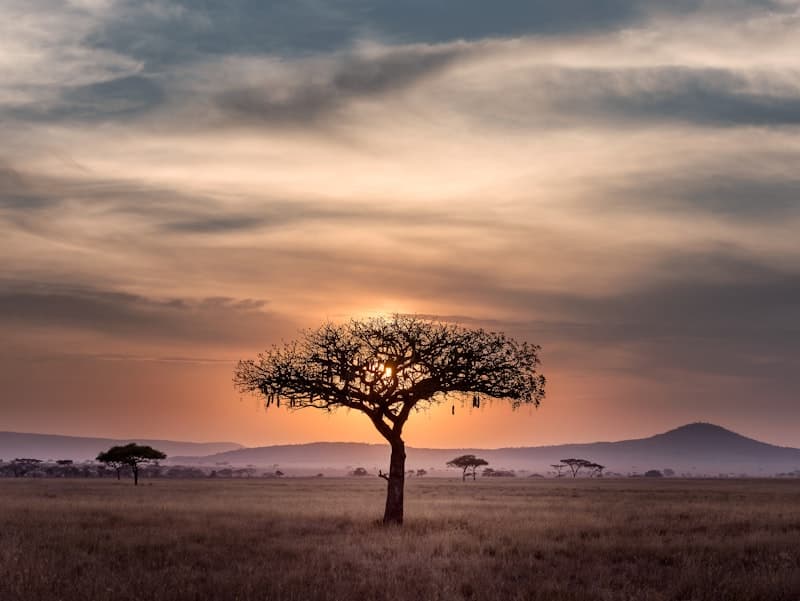
UNESCO-listed and the site of the world's largest animal migration — 1.5 million wildebeest and 200,000 zebras moving in a continuous circle through Tanzania and Kenya's Masai Mara.

Cascading white travertine terraces filled with mineral-rich thermal pools — Pamukkale's surreal landscape sits atop the ancient Roman spa city of Hierapolis with its remarkably intact theatre and necropolis.

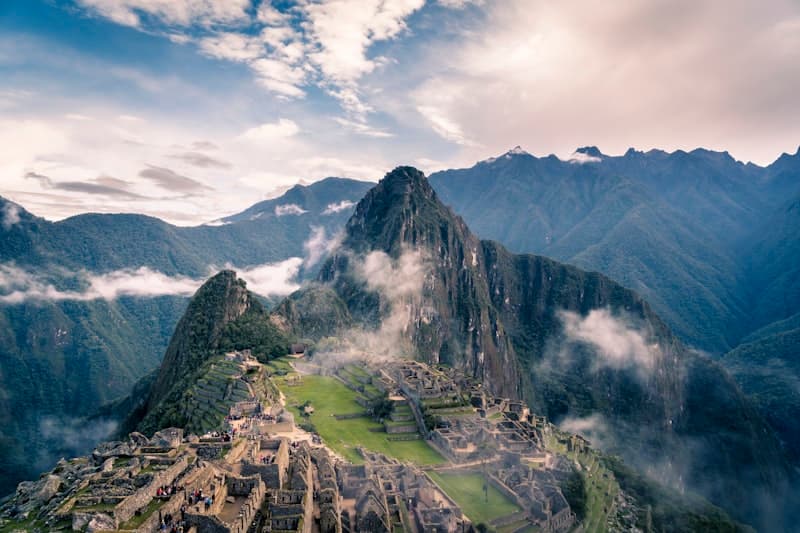
The 15th-century Inca citadel perched above the Sacred Valley at 2,430m is South America's most iconic archaeological site — best experienced at dawn before clouds roll in from the Amazon basin below.

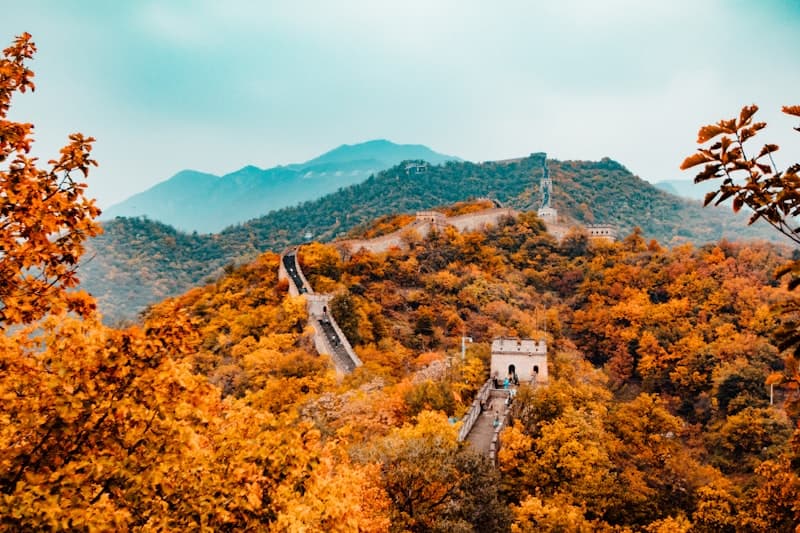
The world's longest man-made structure stretches over 21,000km across China's northern frontier. The Mutianyu and Jiankou sections near Beijing offer the most dramatic and least-restored experience.

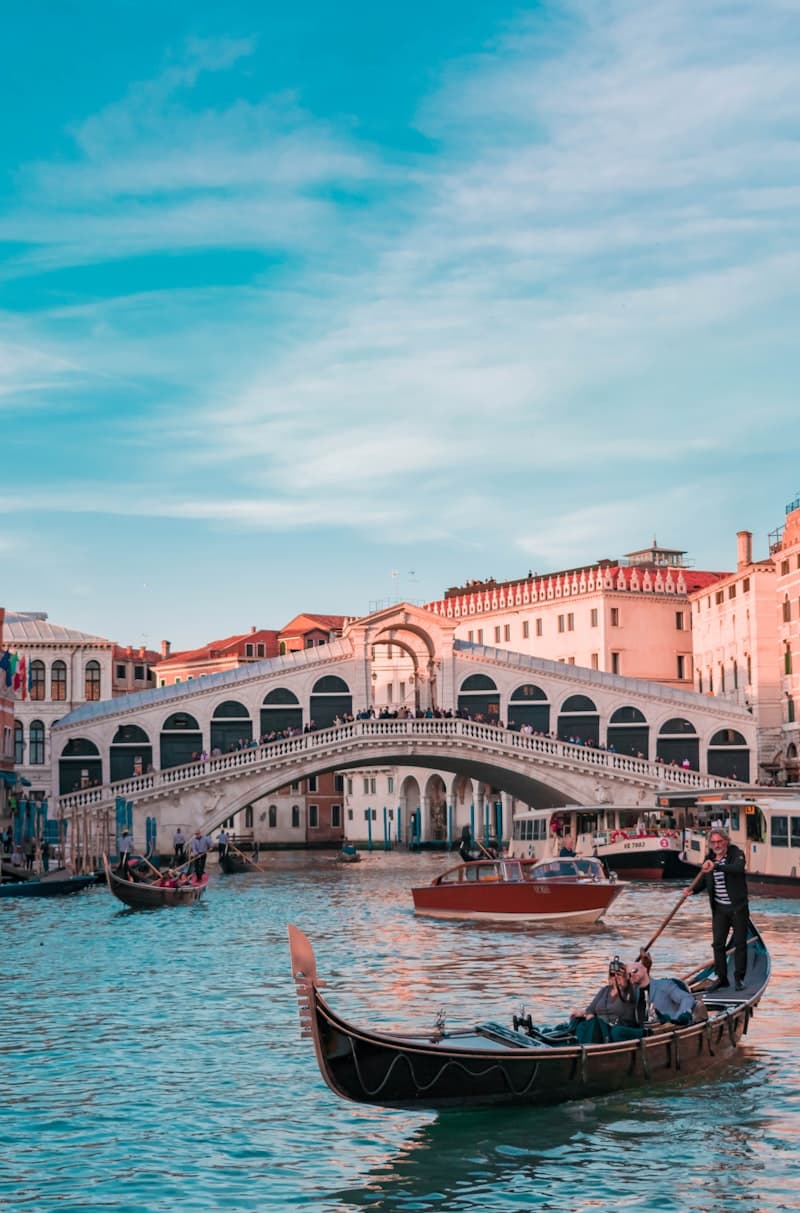
The entire city of Venice — 118 islands connected by 400+ bridges — is UNESCO listed. The sinking city's gondola-threaded canals, Byzantine mosaics, and Carnival tradition are disappearing and irreplaceable.

The world's largest coral reef system spans 2,300km and is visible from space — home to 1,500 fish species, 4,000 mollusc species, and 6 of the world's 7 sea turtle species in unprecedented marine biodiversity.

The 'Rose City' of the Nabataean empire — carved directly into pink sandstone cliffs — is one of archaeology's greatest wonders. Walking through the Siq canyon at dawn toward the Treasury facade is unforgettable.

Eleanor Roosevelt reportedly said upon seeing them: 'Poor Niagara!' UNESCO-listed on both sides, Iguazú's 275 individual waterfalls across a 2.7km arc are the world's widest waterfall system.

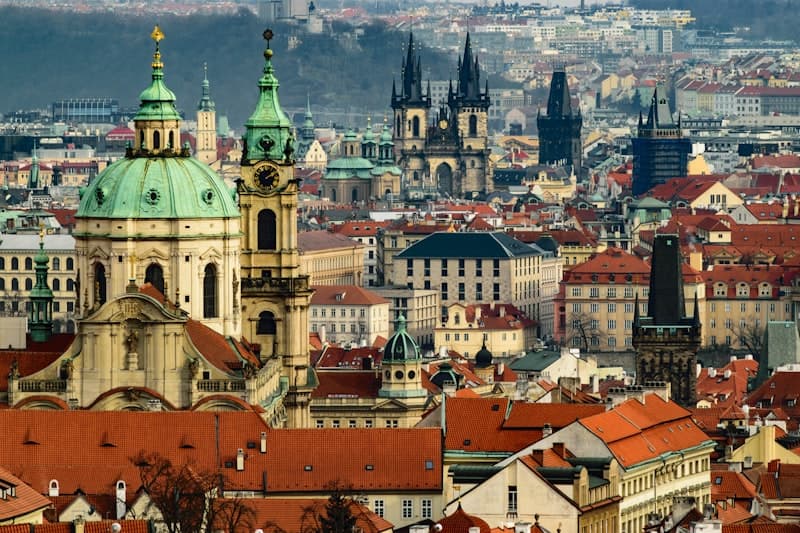
Prague's UNESCO Old Town preserves the finest concentration of Gothic, Baroque, and Art Nouveau architecture in Europe — the Charles Bridge, Astronomical Clock, and Josefov Jewish Quarter are extraordinary.

The living laboratory of evolution — UNESCO's first natural heritage site shelters species found nowhere else on Earth. Darwin's finches, giant tortoises, and marine iguanas remain fearless of humans.

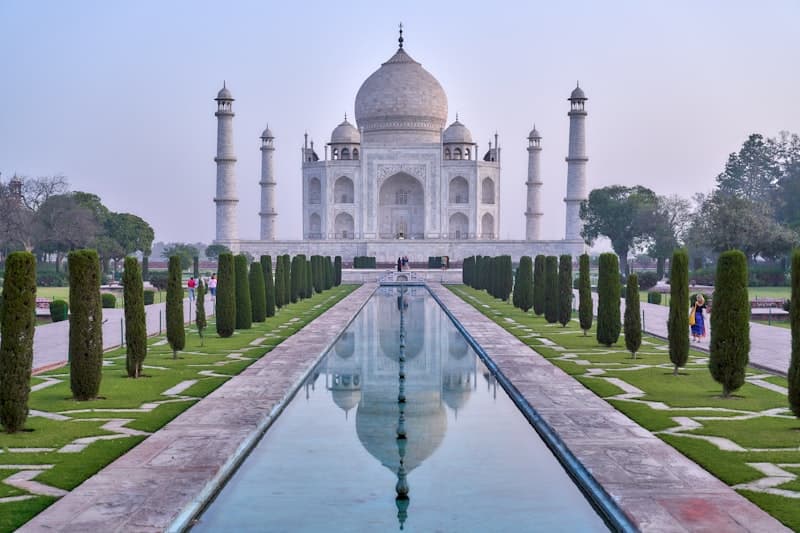
The marble mausoleum built by Mughal Emperor Shah Jahan for his wife Mumtaz Mahal is considered the world's most perfect building — changing colour from pink at dawn to luminous white at midday.
“Angkor Wat, Cambodia”
Currently ranked #1. Where will it be in 7 days?