- What are the best board games for beginners?
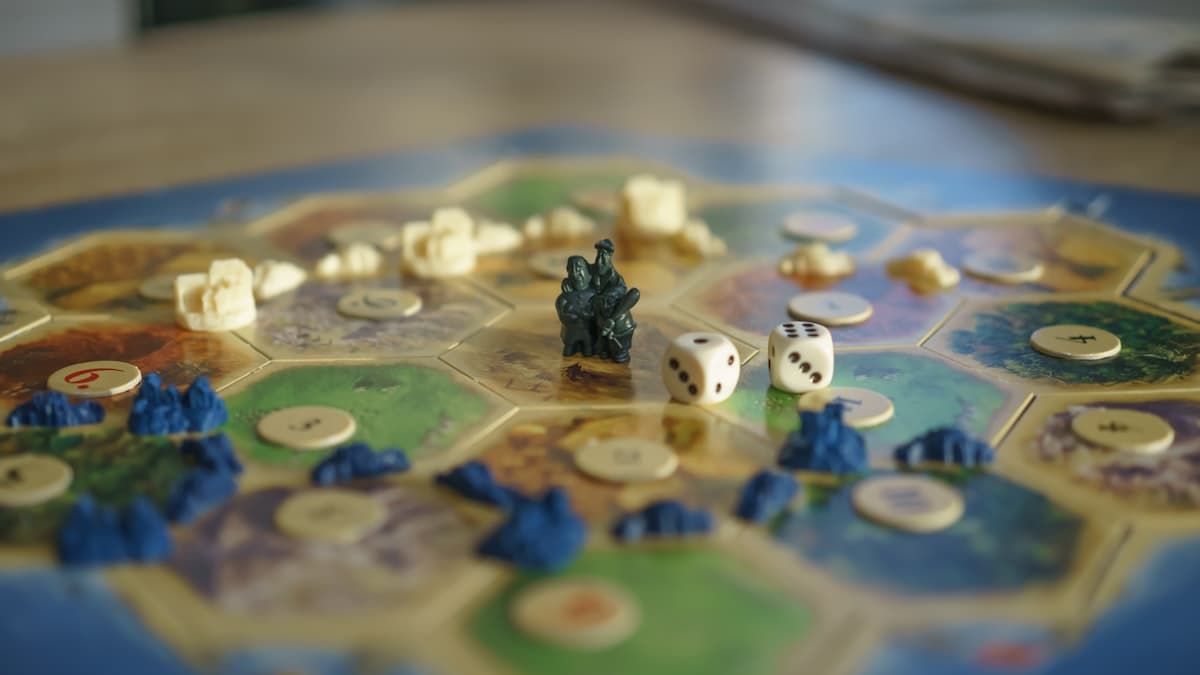
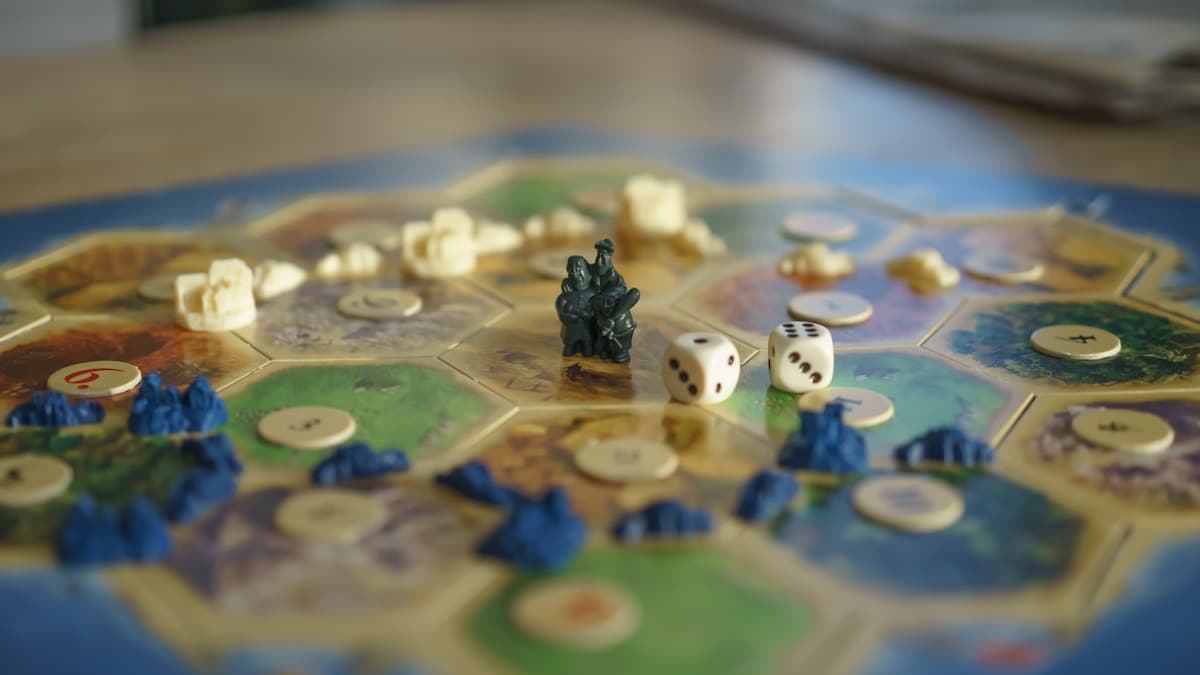
- Best beginner board games: Ticket to Ride ($49.99)—straightforward, beautiful, 2–5 players, 45–90 min. Catan ($55)—the gateway game that defined the modern hobby, 3–4 players, 60–120 min. Pandemic ($44.99)—cooperative game, team vs. the game, excellent for non-competitive groups. Azul ($39.99)—abstract, quick, accessible, award-winning. Carcassonne ($34.99)—tile-placement, simple rules, strategic depth. For families: Ticket to Ride: New York (15 min, $24.99). For 2 players: Jaipur, Patchwork, or 7 Wonders Duel. All available at Target, Amazon, or specialty game stores (your local game store supports the hobby community).
- What is the difference between Eurogames and Ameritrash games?
- Eurogames (German-style games) emphasize economic resource management, indirect player interaction, clever mechanisms, minimal randomness, and elegant design—typically with muted conflict. Examples: Catan, Agricola, Terraforming Mars, Wingspan, Concordia. Originated in German-speaking countries (Spiel des Jahres award). Ameritrash games (American-style, now affectionately called 'Amerithrash') emphasize theme immersion, direct conflict, high randomness, dramatic moments, and often plastic miniatures. Examples: Risk, Gloomhaven, Twilight Imperium, Arkham Horror. Modern 'hybrid' games combine Eurogame efficiency with Ameritrash theme and conflict—Scythe, Spirit Island, Root.
- How long does it take to learn board games?
- Learning time by complexity: Gateway games (Ticket to Ride, Carcassonne)—30–60 min to learn, playable immediately. Mid-weight games (Wingspan, Pandemic)—60–90 min rules explanation, 2–3 plays to feel comfortable. Heavy/complex games (Terraforming Mars, Twilight Imperium IV—14-hour average play time)—2–4 hours to learn properly. Legacy games (Pandemic Legacy, Gloomhaven)—multi-session campaigns where rules evolve as you play. Recommendation: Watch a 10–20 minute 'how to play' video (Watch It Played YouTube channel—definitive how-to-play videos for 500+ games) rather than reading rulebooks cold.
- What are legacy board games?
- Legacy games have permanent, irreversible changes to components and rules during play—stickers are applied, cards are destroyed, locations are named—creating a unique, evolving narrative story across 10–25 sessions. Pioneer: Risk Legacy (2011, Rob Daviau's invention of the format). Definitive examples: Pandemic Legacy Seasons 1, 2, and 3 (multiple BGG #1 rankings), Charterstone (Stonemaier), SeaFall. Each campaign is unique—your group's decisions create a story that can't be replicated. After the campaign ends, the game is typically unplayable for a new group (which some players view as a feature, others as a drawback). Legacy games consistently rank among the highest-rated board games ever created.
- What are the best cooperative board games?
- Best cooperative board games (all players vs. the game): Pandemic ($44.99)—classic, team treats outbreaks globally; Pandemic Legacy takes it to narrative levels. Spirit Island ($79.99, Greater Than Games)—asymmetric cooperative, very high complexity, one of the highest-rated games on BGG. Gloomhaven ($140)—dungeon-crawler legacy hybrid, 95+ hours of content. Marvel Champions LCG ($44.99)—hero-building living card game. Arkham Horror: The Card Game—narrative LCG with campaign play. For families: Mysterium ($44.99—cooperative deduction), Hanabi ($12—cooperative card game). Cooperative games eliminate the 'sore loser' problem, making them excellent for mixed groups.