- What are the must-see places in Italy?
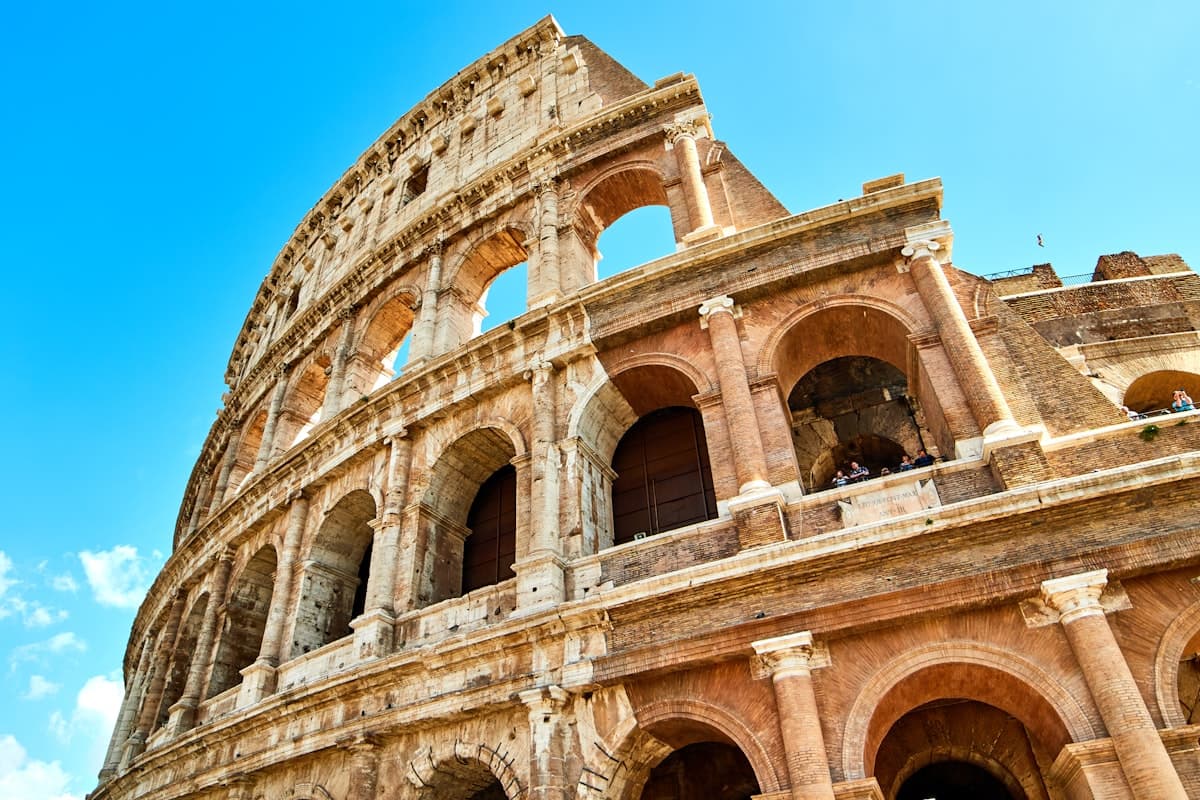
- Essential Italy destinations: Rome (3-4 days minimum): Colosseum + Forum (book tickets 2-3 weeks ahead), Vatican Museums with Sistine Chapel (book timed entry online), Trastevere neighborhood, Piazza Navona. Florence (2-3 days): Uffizi Gallery (pre-book timed entry), Duomo cathedral, Accademia (David statue), Ponte Vecchio, Piazzale Michelangelo sunset viewpoint. Venice (2 days): Piazza San Marco, Doge Palace, gondola ride through canals, visit nearby islands Murano (glassblowing) and Burano (colorful fishermen houses). Tuscany (Siena, San Gimignano, Chianti wine road) for countryside. Amalfi Coast (Positano, Ravello, Amalfi) for dramatic cliffside scenery. Sicily for Greek ruins (Agrigento Valley of the Temples), Etna volcano, and Baroque Palermo. Cinque Terre for five clifftop fishing villages connected by hiking trails.
- When is the best time to visit Italy?
- Optimal Italy travel timing: April to early June (spring): warm temperatures (15-25C), blooming landscapes, fewer crowds than summer, slightly lower prices. Best for outdoor sightseeing, Amalfi Coast hiking, Tuscan countryside. May is generally considered the single best month. September to October (early fall): summer heat subsides, harvest season for wine and food festivals, manageable crowds at most sites. Lake Como and Tuscany are particularly beautiful. July-August (peak summer): Extremely hot (35-40C in Rome and Southern Italy), massive crowds at all major attractions, highest prices, but best for Amalfi Coast beaches and Lake Garda swimming. Coastal regions at their peak but archaeological sites and museums can be uncomfortable. November-March (winter): lowest prices and crowds except Christmas period, good for museum visits, truffle season (November-January), Christmas markets in Northern Italy. Many coastal restaurants and hotels close October-March.
- How much does a trip to Italy cost?
- Italy travel budget estimates per person per day (excluding flights): Budget: $80-$120/day (hostel dorms $25-40, pizza and pasta lunches $10-15, aperitivo happy hours with free snacks, free attractions like Pantheon and most churches, Eurail pass for intercity travel). Mid-range: $150-$250/day (3-star hotels $80-150, restaurant dinners $25-50, museum admissions, Trenitalia trains). Luxury: $300-$600+/day (boutique hotels, Michelin dining, private tours, private transfers). Budget-saving strategies: book museums ahead online to avoid paying tour guide premiums at ticketing. Rome City Pass or Firenze Card bundle museum admissions. Trenitalia Frecciarossa advance tickets as cheap as $15-30 versus $80+ same-day. Self-catering from markets and supermarkets (Esselunga, Conad) saves significantly on meals. Aperitivo culture in Milan provides free food with $7-12 drinks from 6-9 PM.
- Do I need to speak Italian to visit Italy?
- English proficiency varies significantly across Italy. In major tourist destinations (Rome tourist center, Florence, Venice, Milan international areas), English is widely spoken in hotels, restaurants, and most tourist services. Younger Italians (under 40) generally have working English. In smaller towns, rural regions, markets, and with older Italians, minimal English is common. Basic Italian phrases improve interactions enormously and are received with appreciation: Buongiorno (good morning), Per favore (please), Grazie (thank you), Il conto, per favore (the bill please), Dov e il bagno (where is the bathroom). Google Translate offline Italian download is useful for menus and signs. Italians genuinely appreciate any attempt at their language. The Further south and rural you travel, the less English you will encounter - Calabria, rural Sicily, and Sardinian interior have minimal English. Northern cities (Milan, Turin, Verona) have higher English proficiency than southern regions.
- What is the best way to get around Italy?
- Italy transport options: High-speed trains (Frecciarossa, Italo): fastest and most comfortable intercity connection. Rome to Florence 1.5 hours ($25-80 booked in advance on trenitalia.com or italotreno.it). Rome to Naples 1 hour. Milan to Rome 3 hours. Regional trains: slower and cheaper connecting smaller cities, towns, and scenic routes. Car rental: essential for Tuscany countryside, Amalfi Coast (driving very narrow roads), Puglia, and rural Sicily. Italian driving involves ZTL (Zona Traffico Limitato) restricted access zones in city centers with automatic cameras - rental car violations result in fines weeks later. Book with major agencies (Europcar, Hertz) through AutoEurope.com for competitive rates. Ferries connect mainland to islands: Traghetti serve Sicily (3 hours from Villa San Giovanni), Sardinia (overnight from Genoa or Civitavecchia), and smaller islands (Capri, Elba, Aeolian Islands). Local buses and trams serve city centers. Taxis are metered and regulated; avoid unlicensed operators outside airports.