Pompeii and Herculaneum, Italy
The two Roman cities frozen mid-life by Vesuvius's 79 CE eruption are archaeology's most intimate window into Roman daily life — bakeries with bread still in ovens, graffiti on walls, and bodies preserved in ash.
The world's most extraordinary ancient sites — where you can stand inside history and feel the weight of civilisations that shaped humanity.

The two Roman cities frozen mid-life by Vesuvius's 79 CE eruption are archaeology's most intimate window into Roman daily life — bakeries with bread still in ovens, graffiti on walls, and bodies preserved in ash.

The Flavian Amphitheatre held 50,000 spectators for gladiatorial games — walking through the underground hypogeum where animals were caged before their deaths gives the arena's violence undeniable human reality.

The 5,000-year-old megalithic circle on Salisbury Plain remains one of archaeology's great unsolved puzzles — its solar alignments, massive sarsen stones transported 200km, and ritual purpose still debated by scholars.

The Avenue of the Dead aligns the Pyramids of the Sun and Moon in a city that may have housed 125,000 people — making it the largest city in the pre-Columbian Americas and one of the largest in the ancient world.

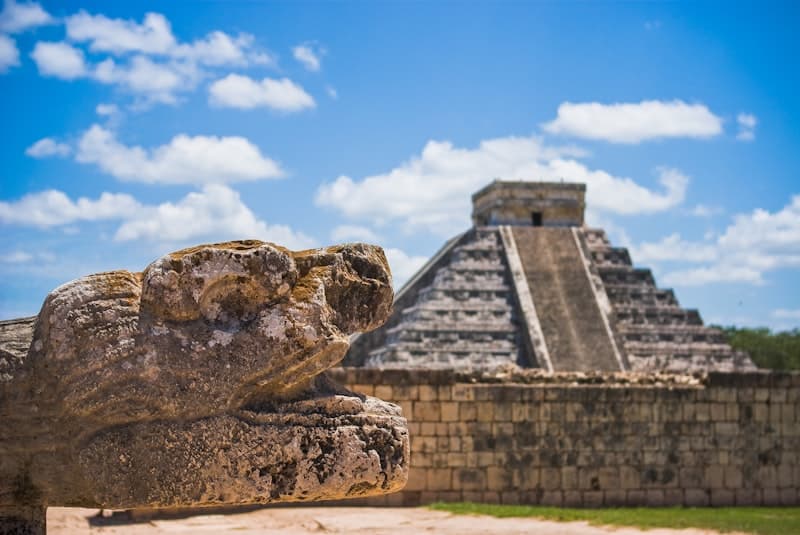
The Kukulcán pyramid's architectural precision — casting a serpent shadow on the equinoxes — exemplifies the extraordinary astronomical knowledge the Maya encoded in stone across their sacred city.

The Nabataean city carved directly into rose-red sandstone cliffs shelters temples, tombs, and a theatre — the Siq entrance canyon leading to the Treasury facade is one of archaeology's most theatrical approaches.

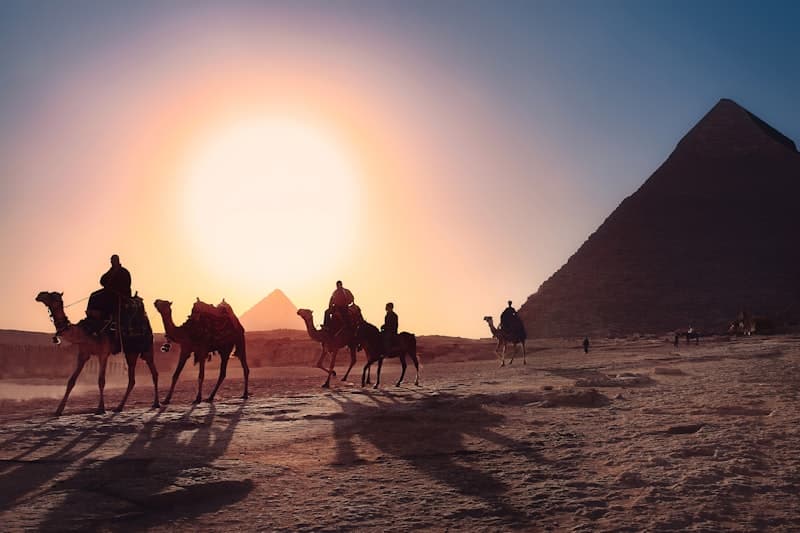
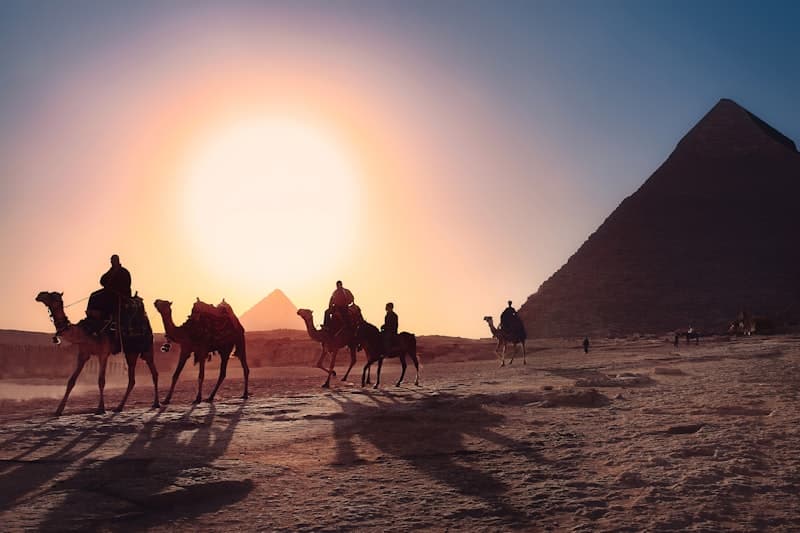
The only surviving wonder of the ancient world — the Great Pyramid of Khufu required 2.3 million stones averaging 2.5 tonnes each and was the tallest structure on Earth for 3,800 years.

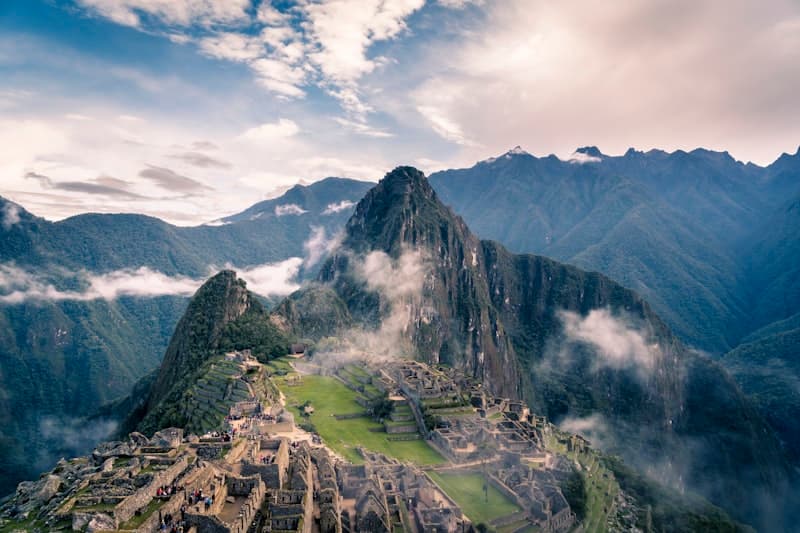
The 15th-century Inca citadel perched in the Andes cloud forest was unknown to the outside world until 1911. Its precision stonework, astronomical alignments, and dramatic location make it archaeology's most photogenic site.

The largest religious monument complex ever built — 400 square kilometres of 9th–15th century Khmer temples including Angkor Wat, the Bayon with its 216 smiling stone faces, and Ta Prohm reclaimed by jungle roots.

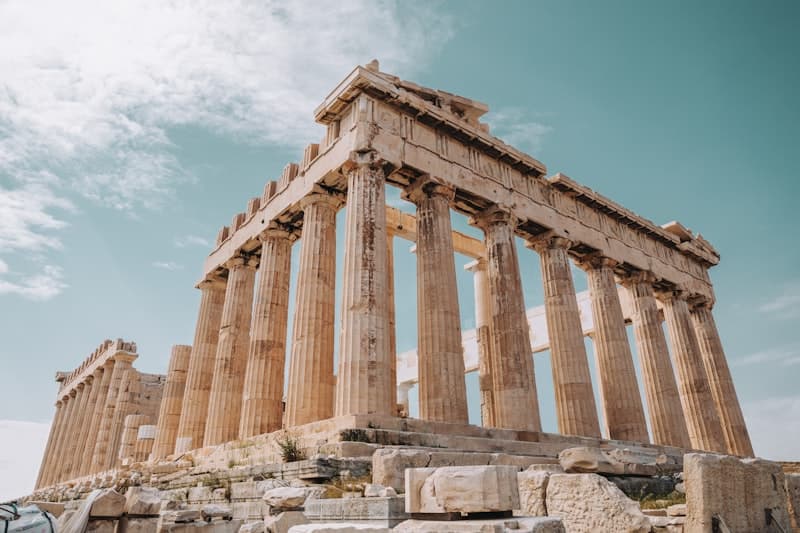
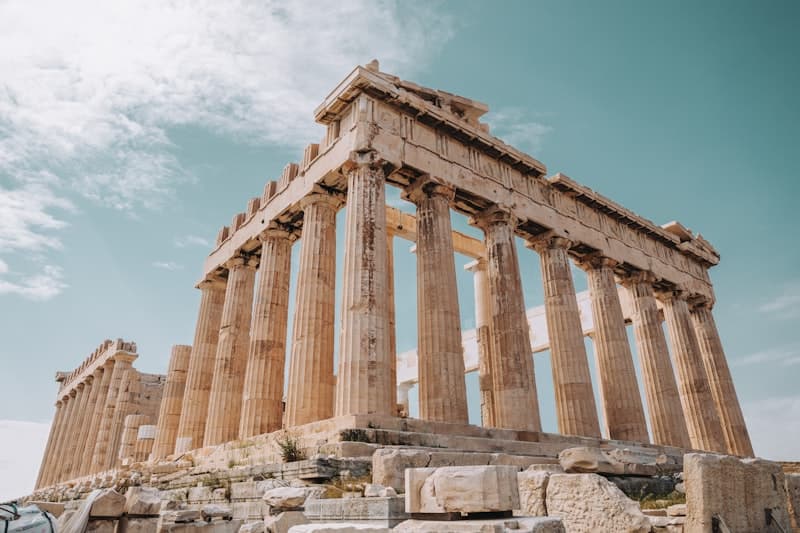
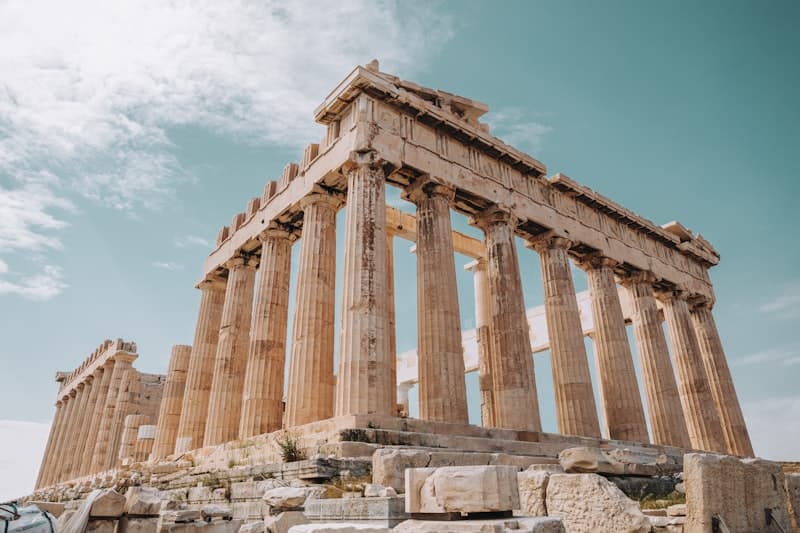
The Parthenon, Erechtheion, and Propylaea atop Athens' limestone hill represent the pinnacle of classical Greek architecture — visiting at dawn before the crowds reveals why the Athenians considered it the world's centre.

The best-preserved classical city in the eastern Mediterranean — the Library of Celsus, Great Theatre seating 25,000, Temple of Artemis site, and marble street colonnades make Roman daily life extraordinarily vivid.

The burial ground of Egypt's New Kingdom pharaohs for 500 years — Tutankhamun's treasures, the astronomical ceilings of Seti I's tomb, and the scale of royal funerary ambition concentrate here in the desert hills.
“Pompeii and Herculaneum, Italy”
Currently ranked #1. Where will it be in 7 days?
Essential reading — histories, archaeological accounts, and popular non-fiction — for understanding humanity's earliest and most influential cultures.
The most influential civilisations in human history — their achievements, innovations, and the ideas they gave to the modern world.